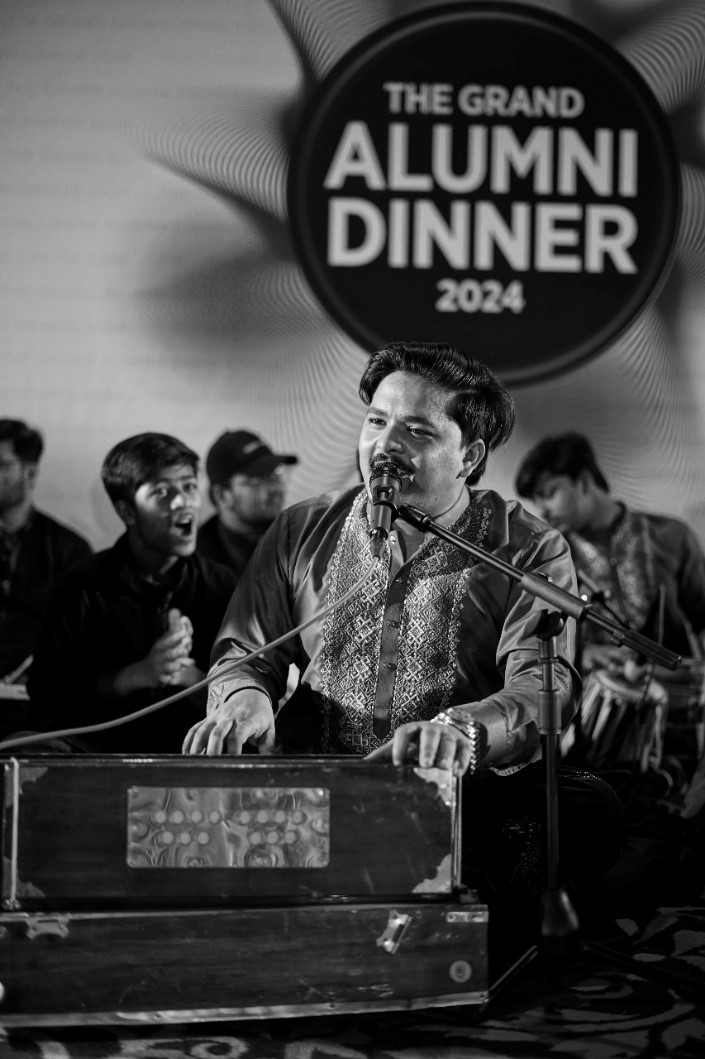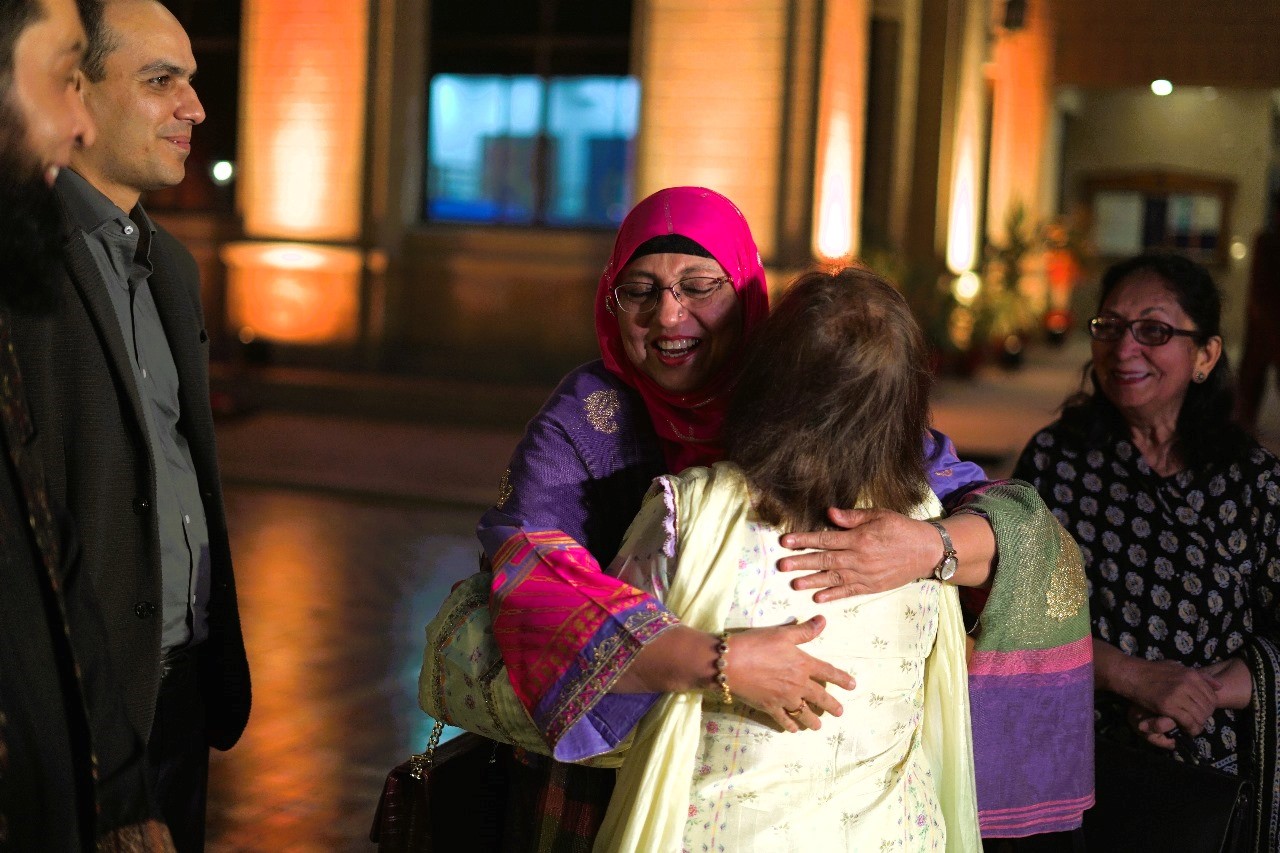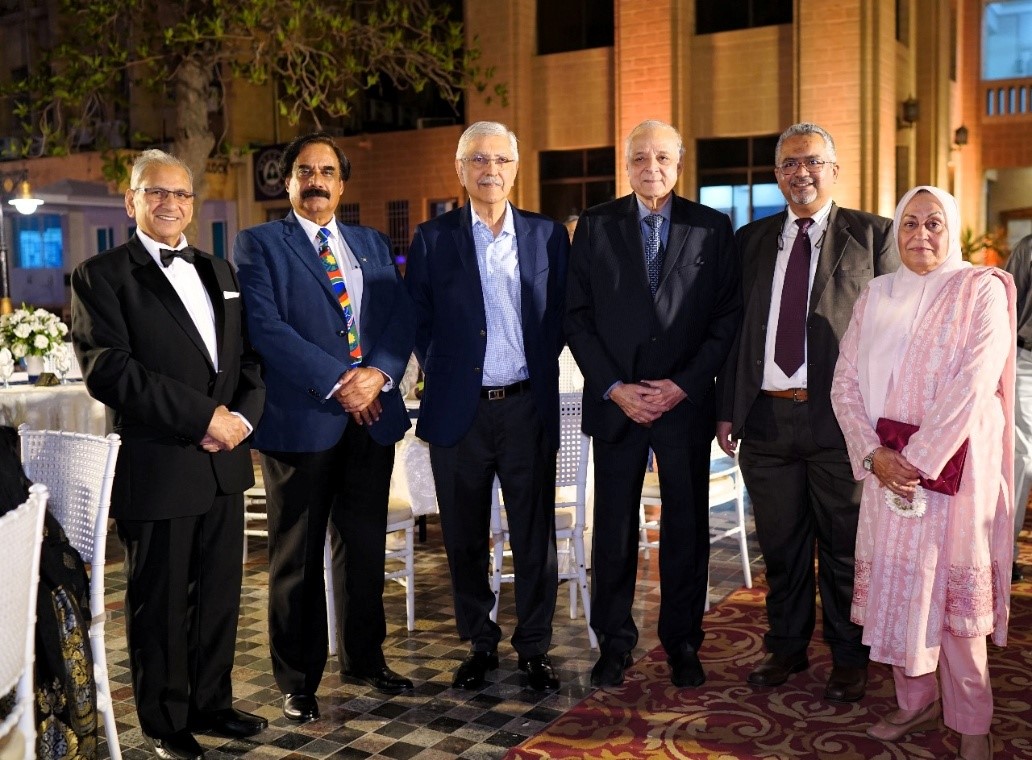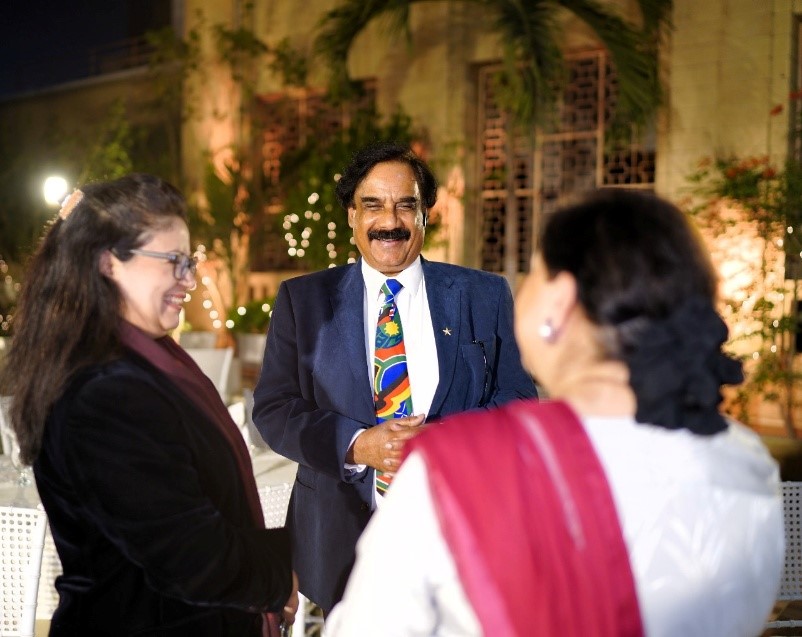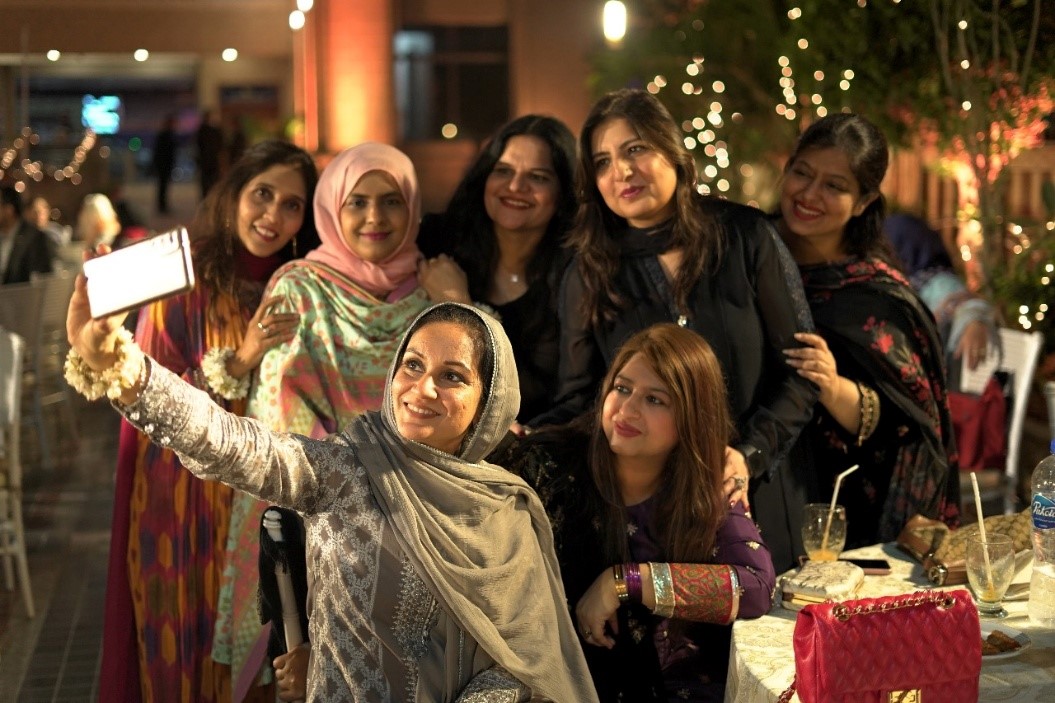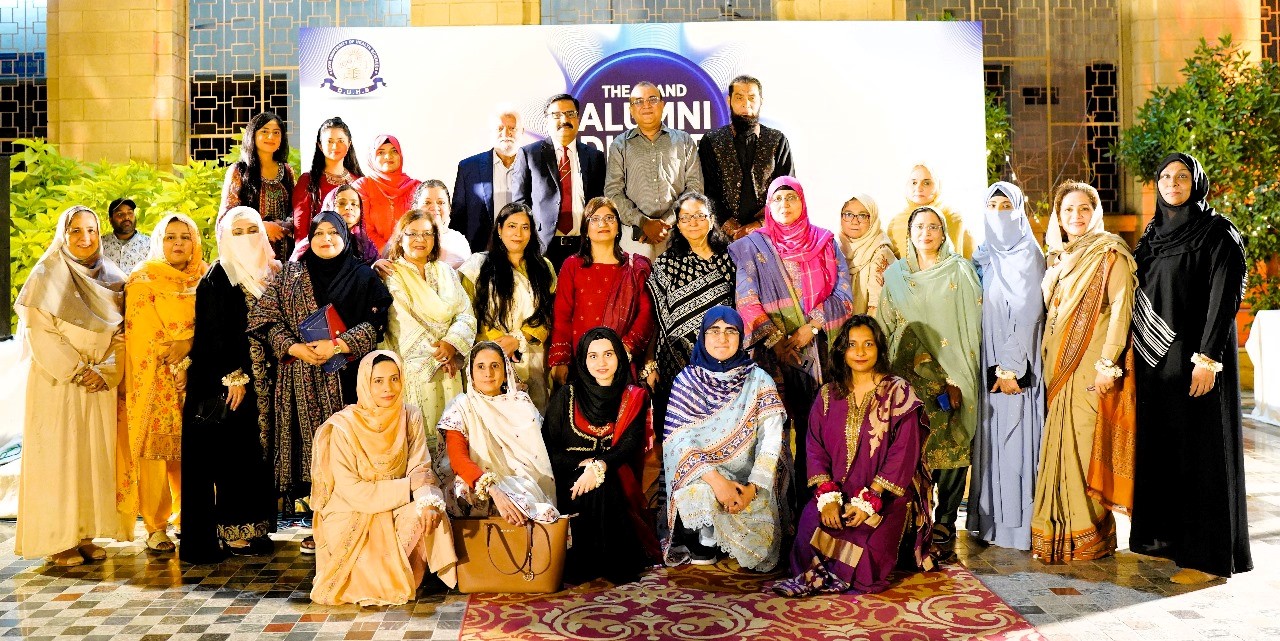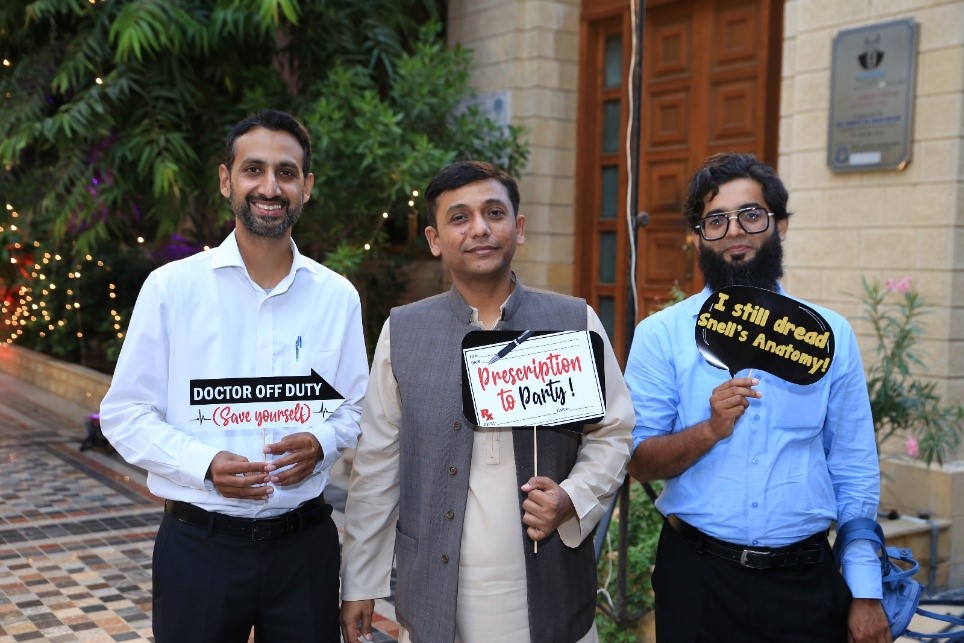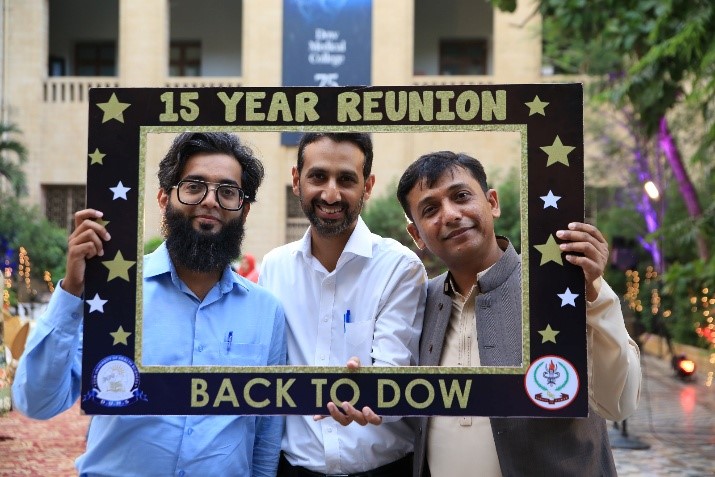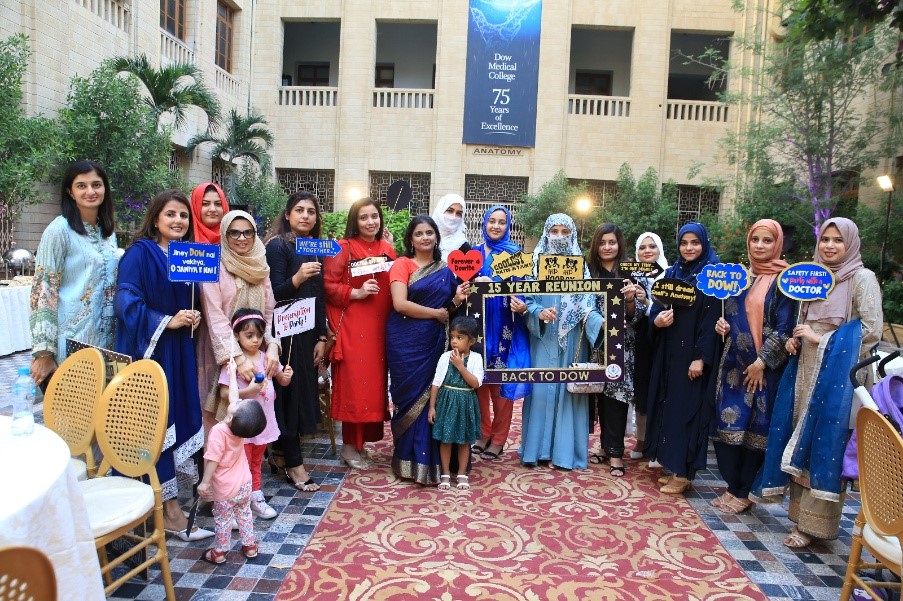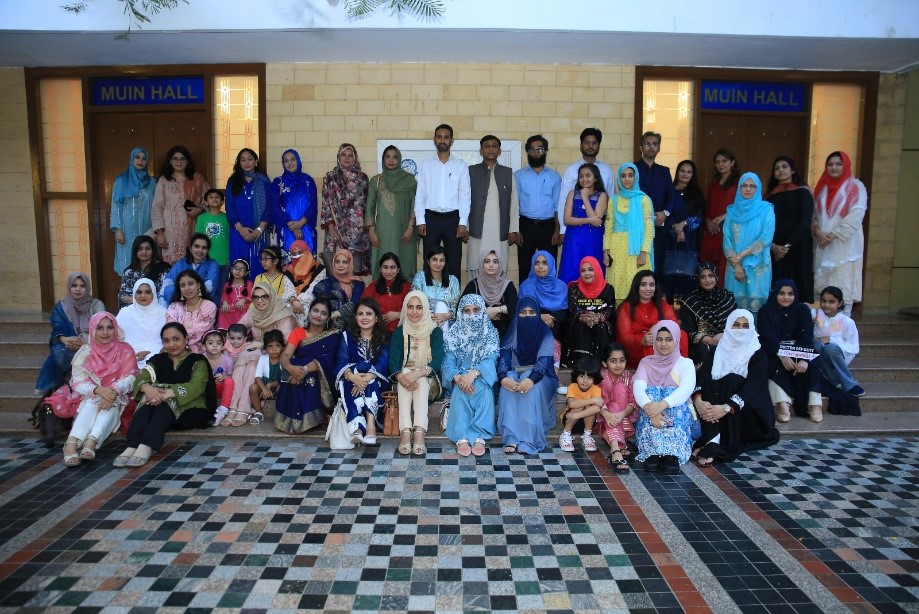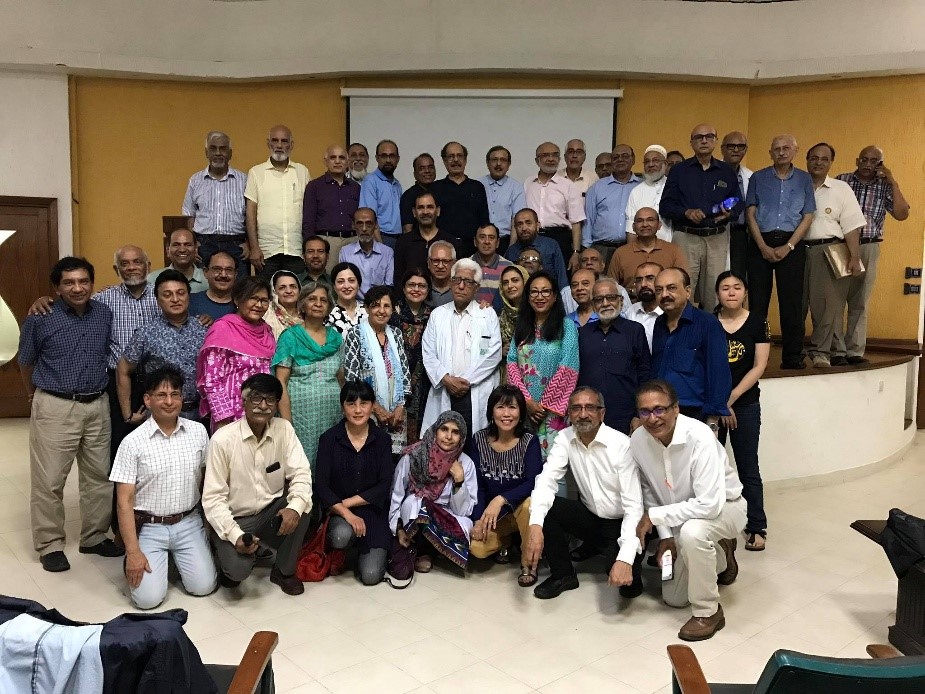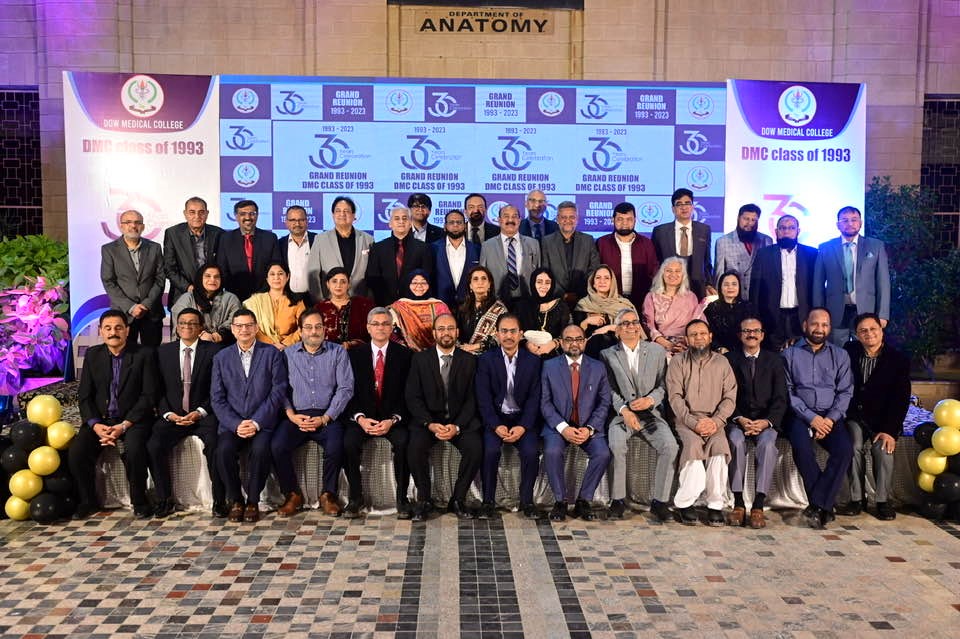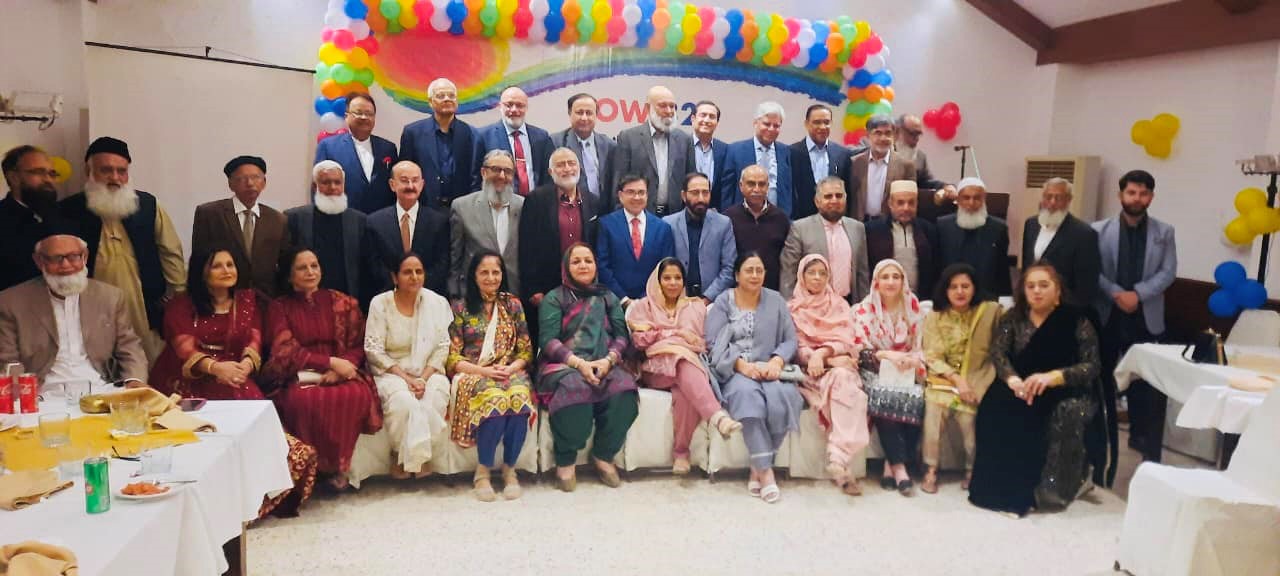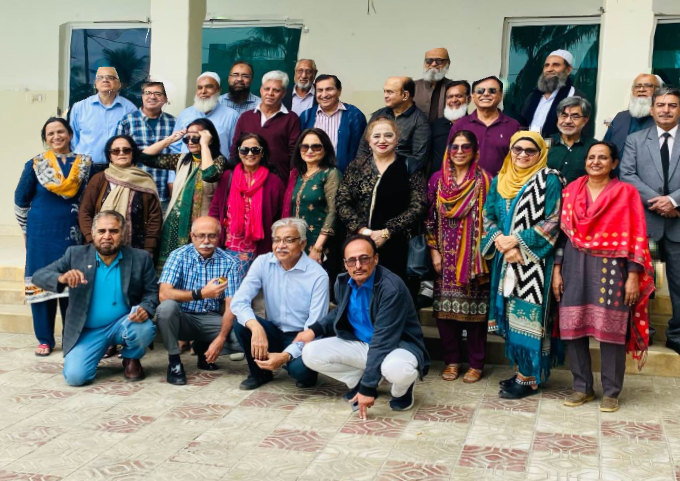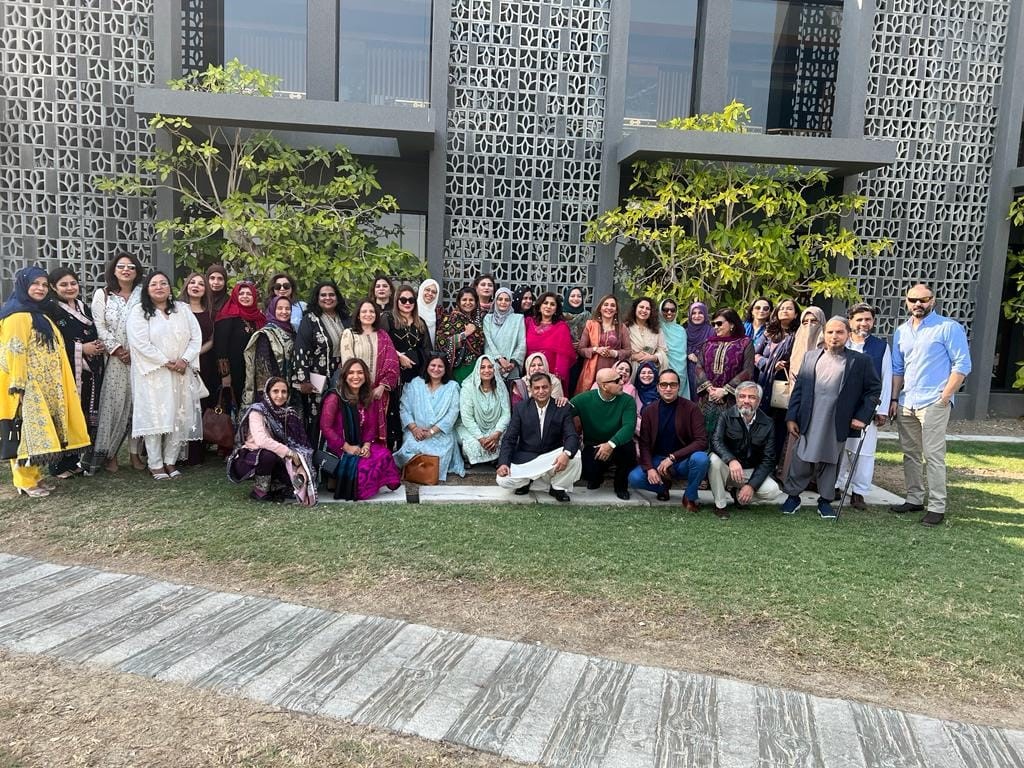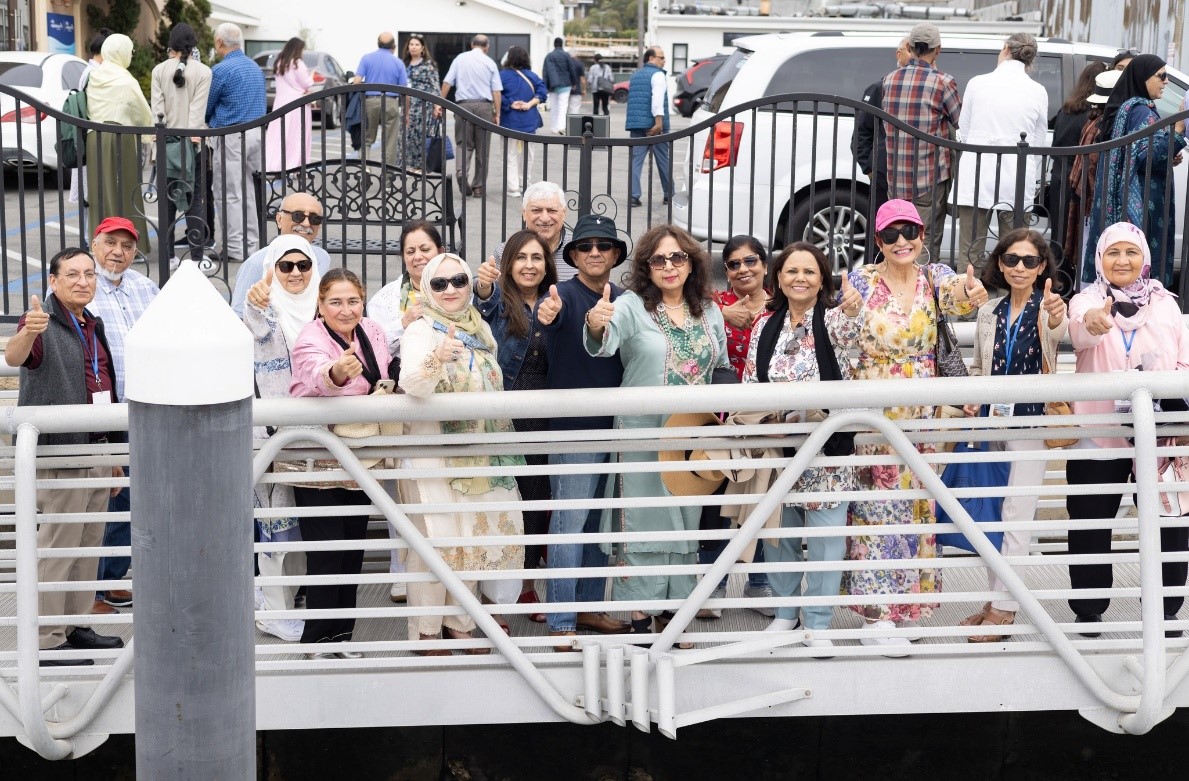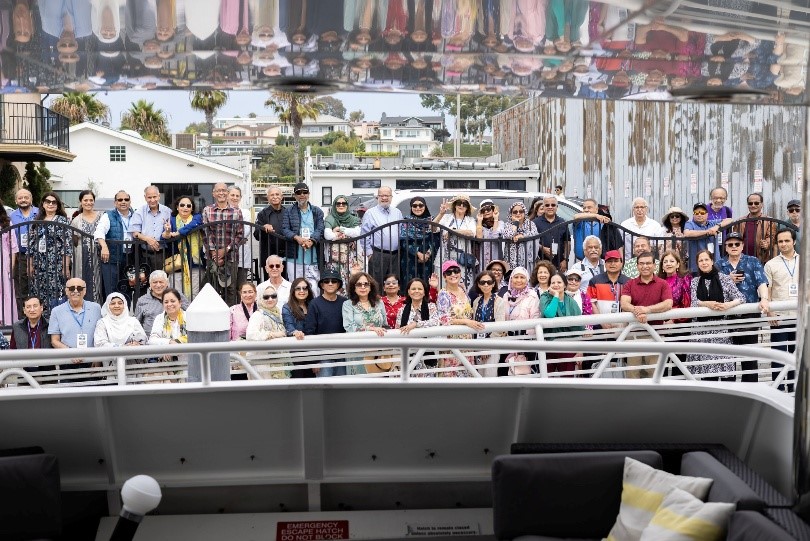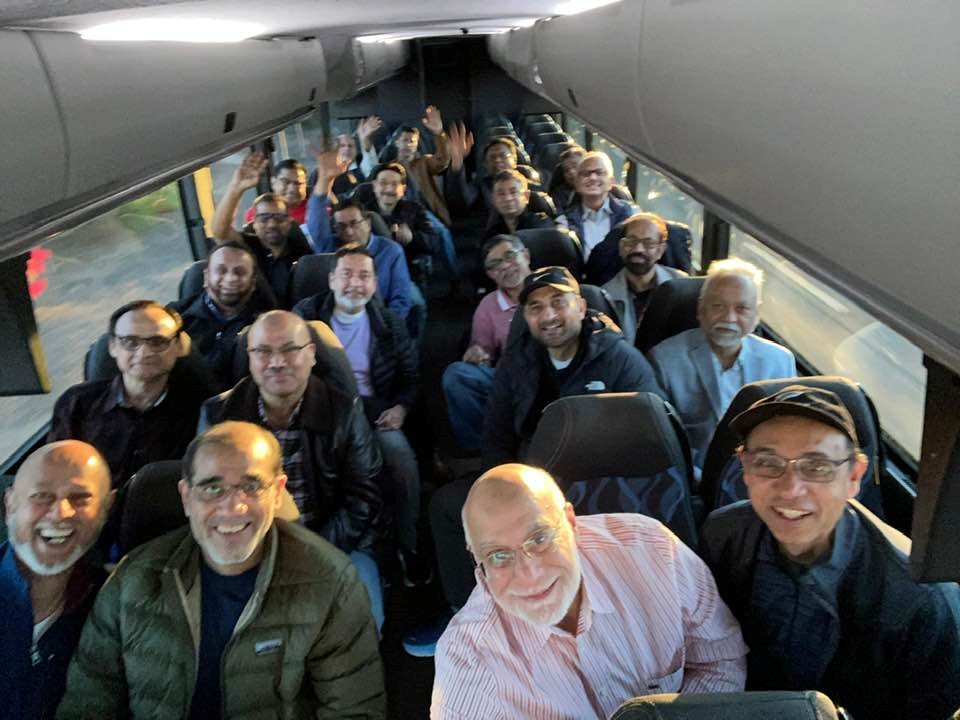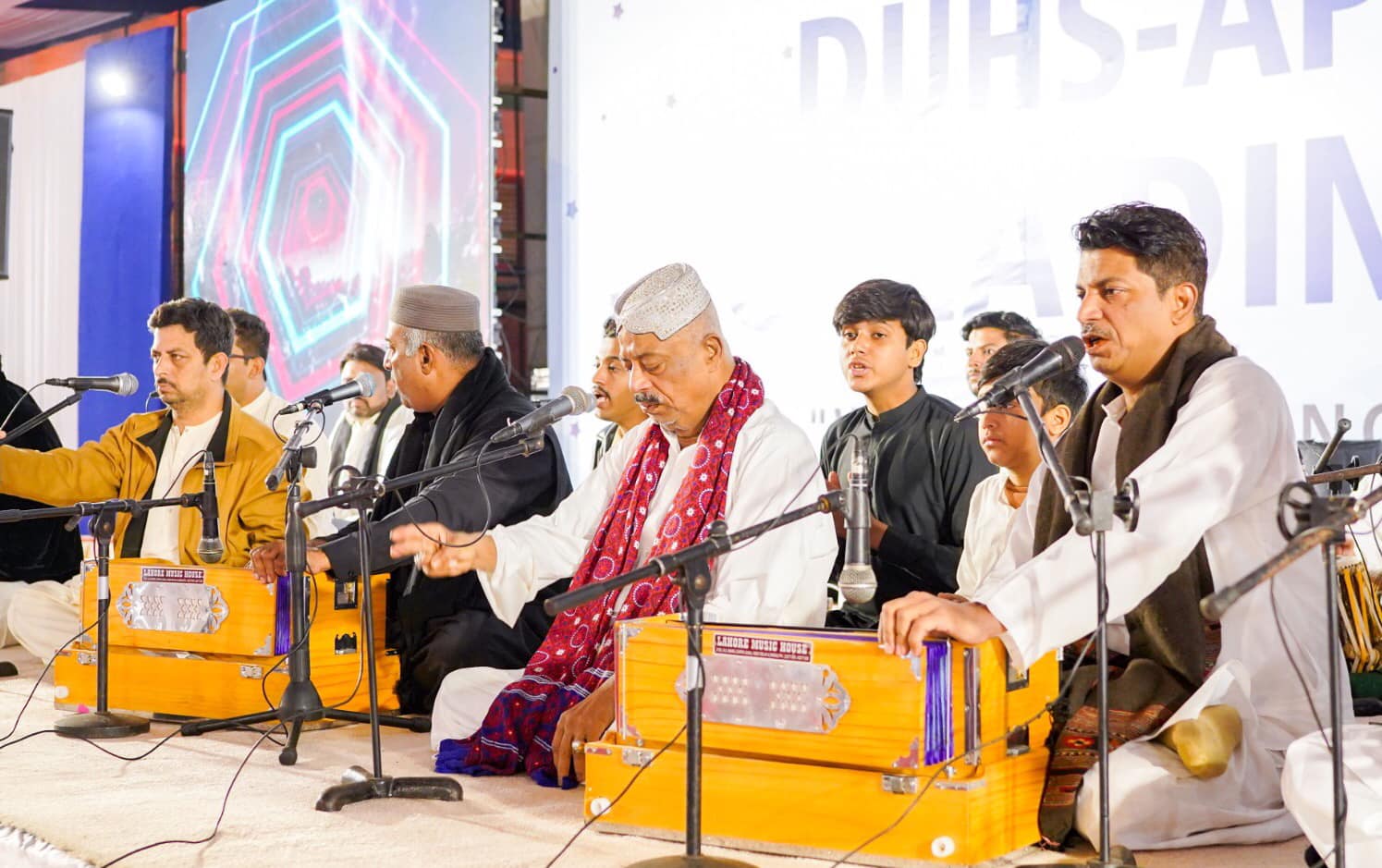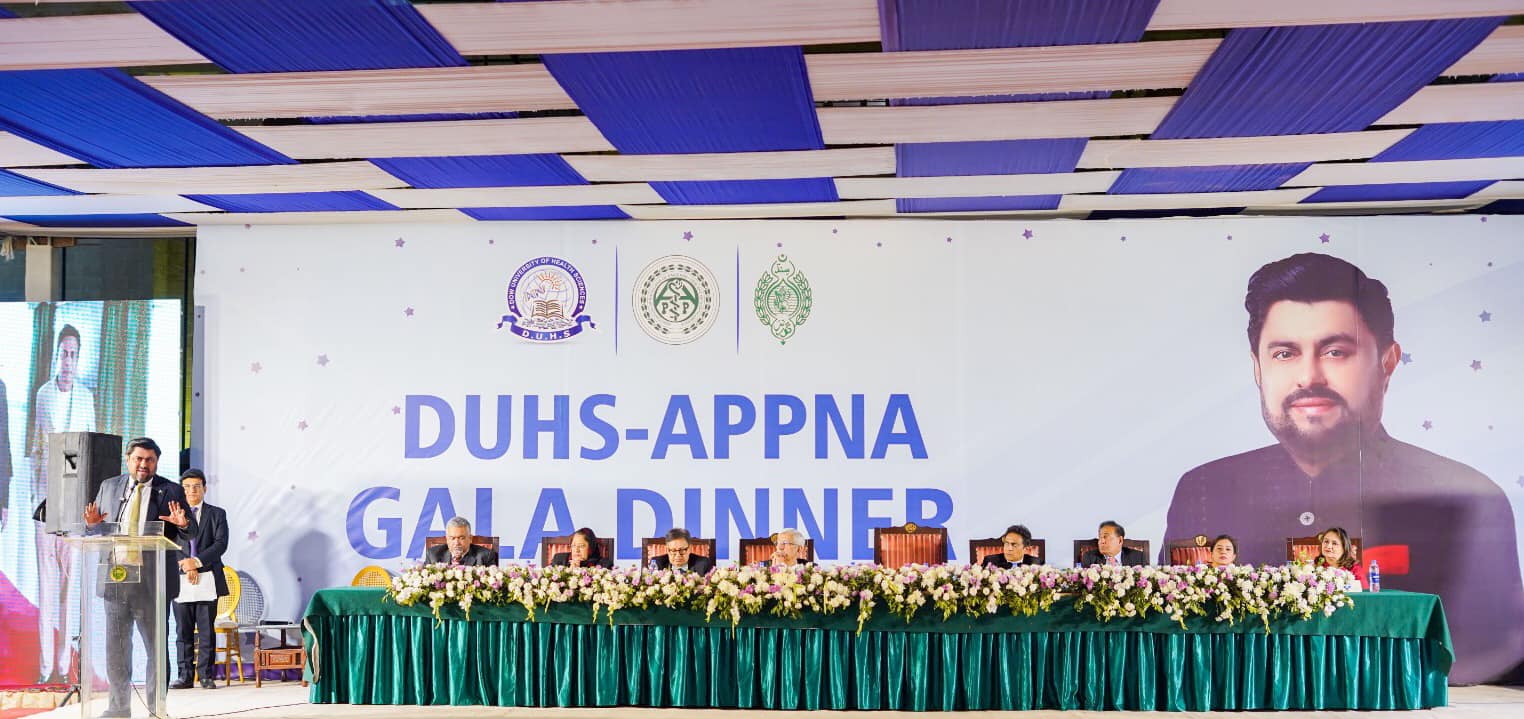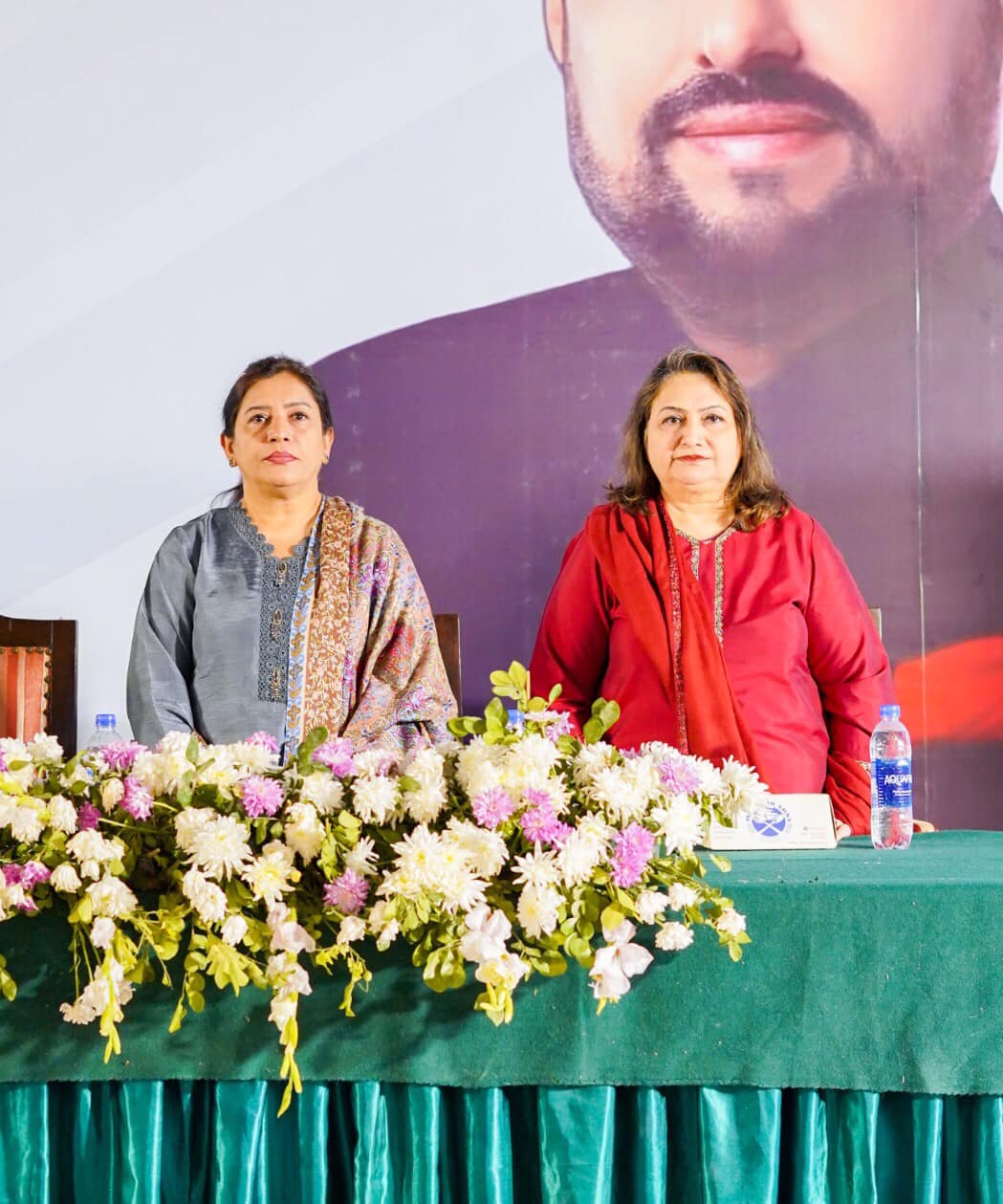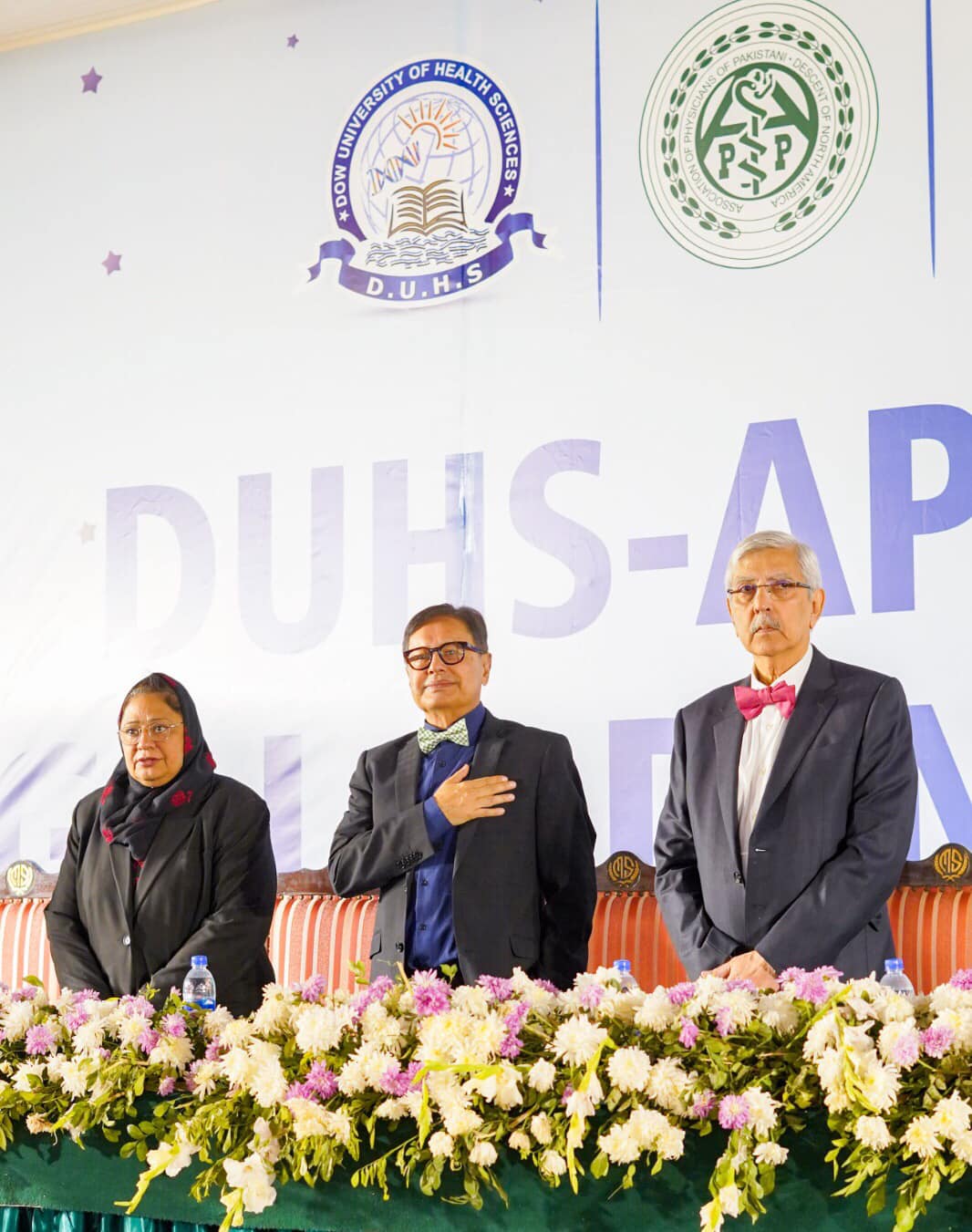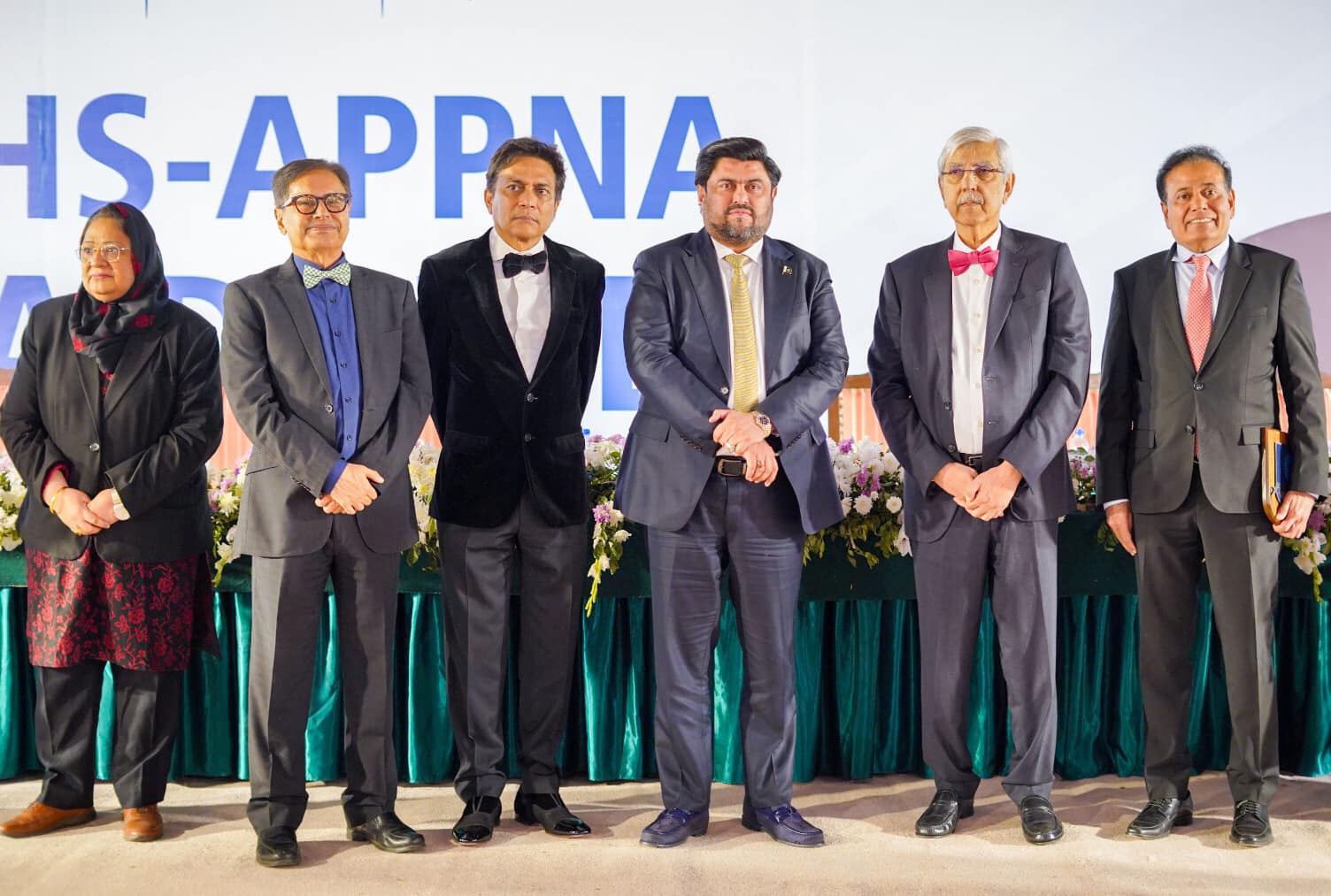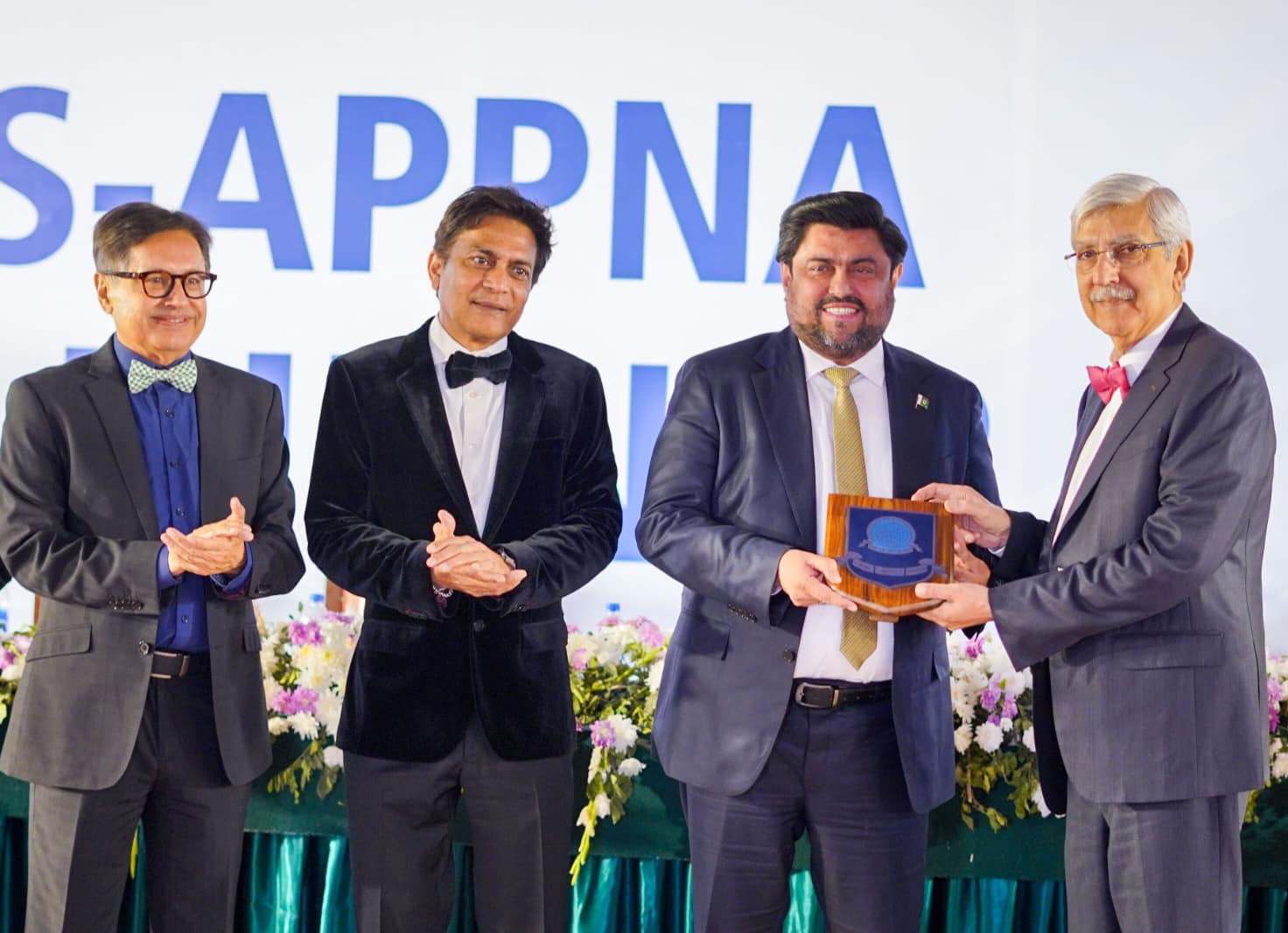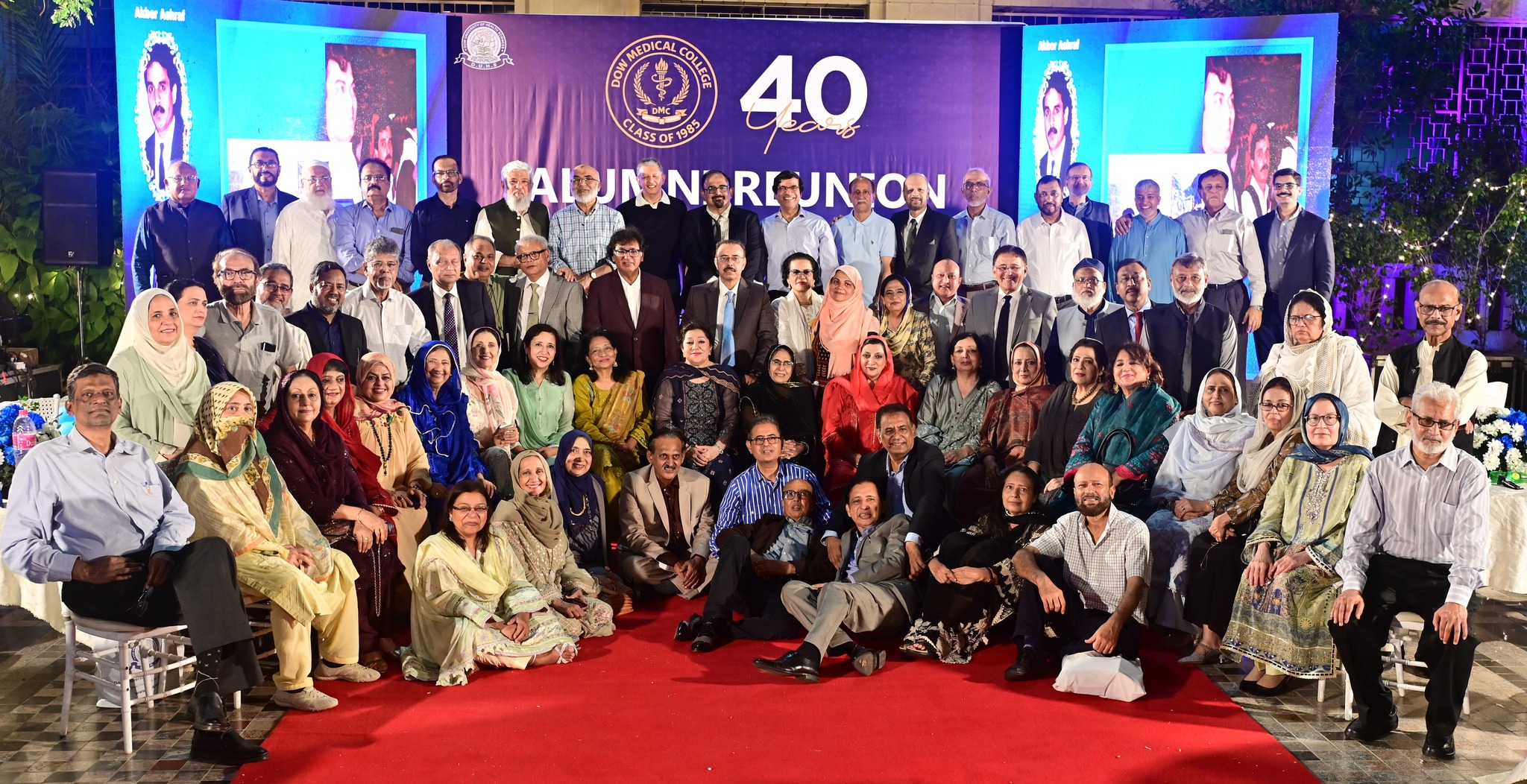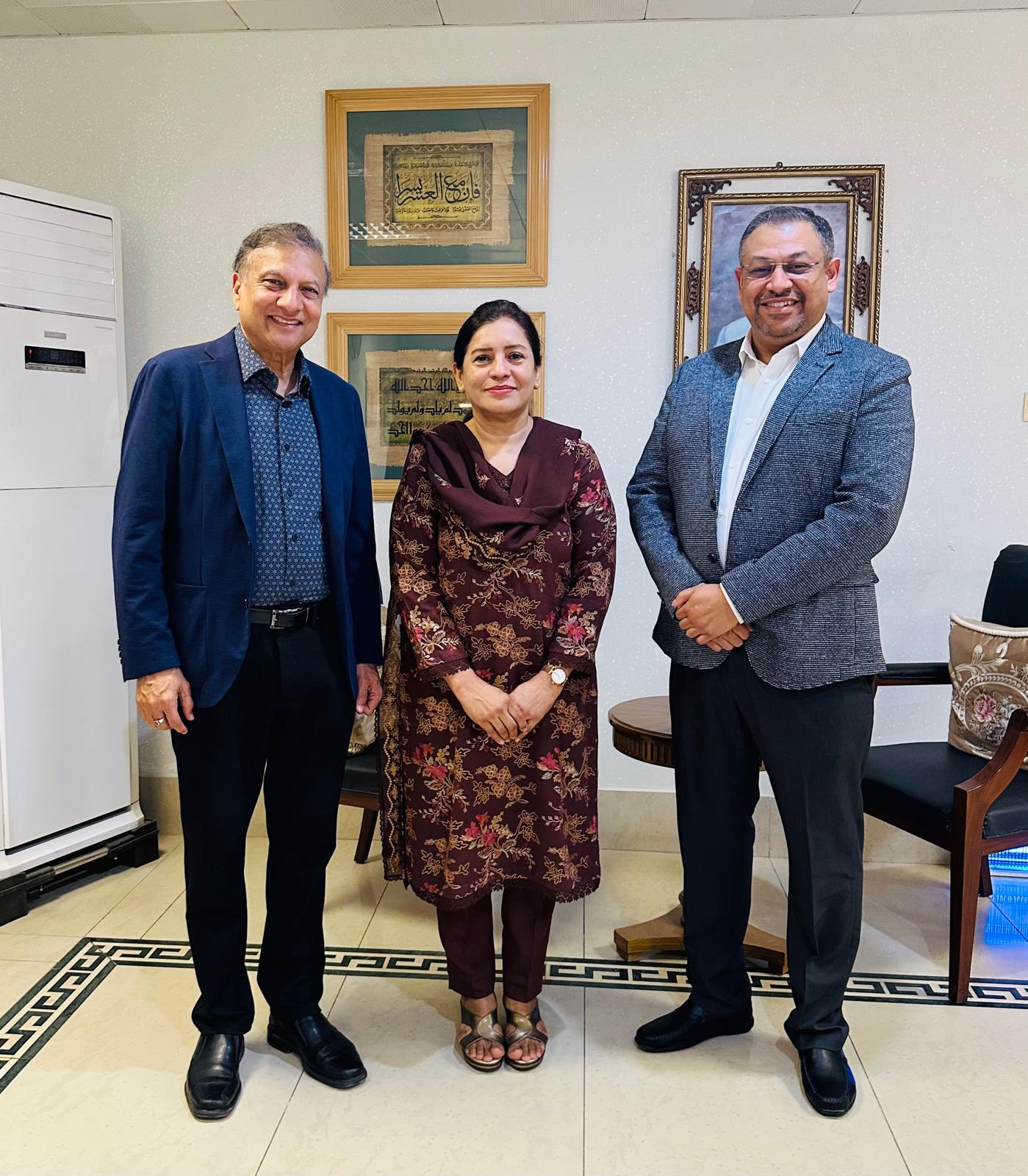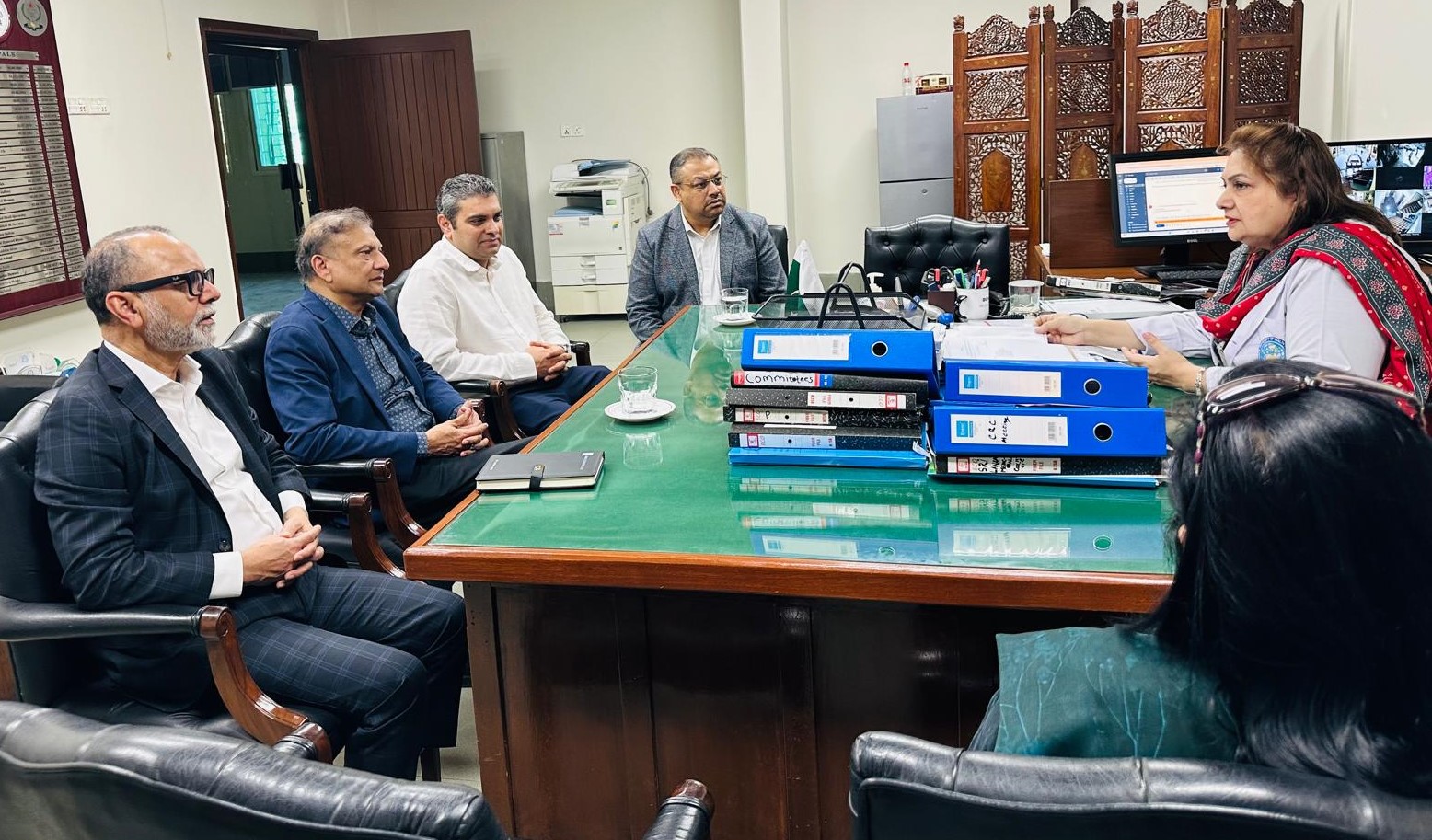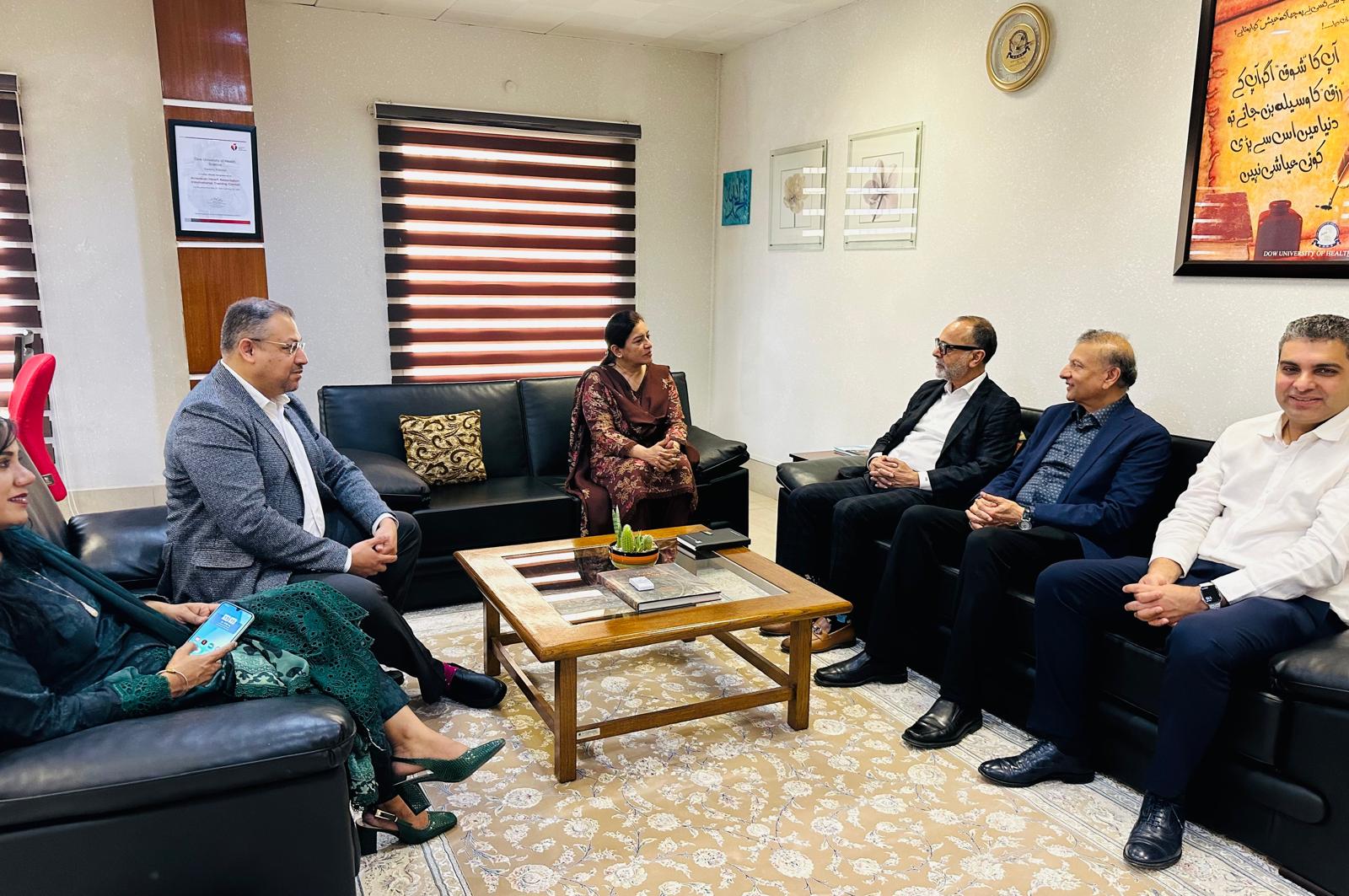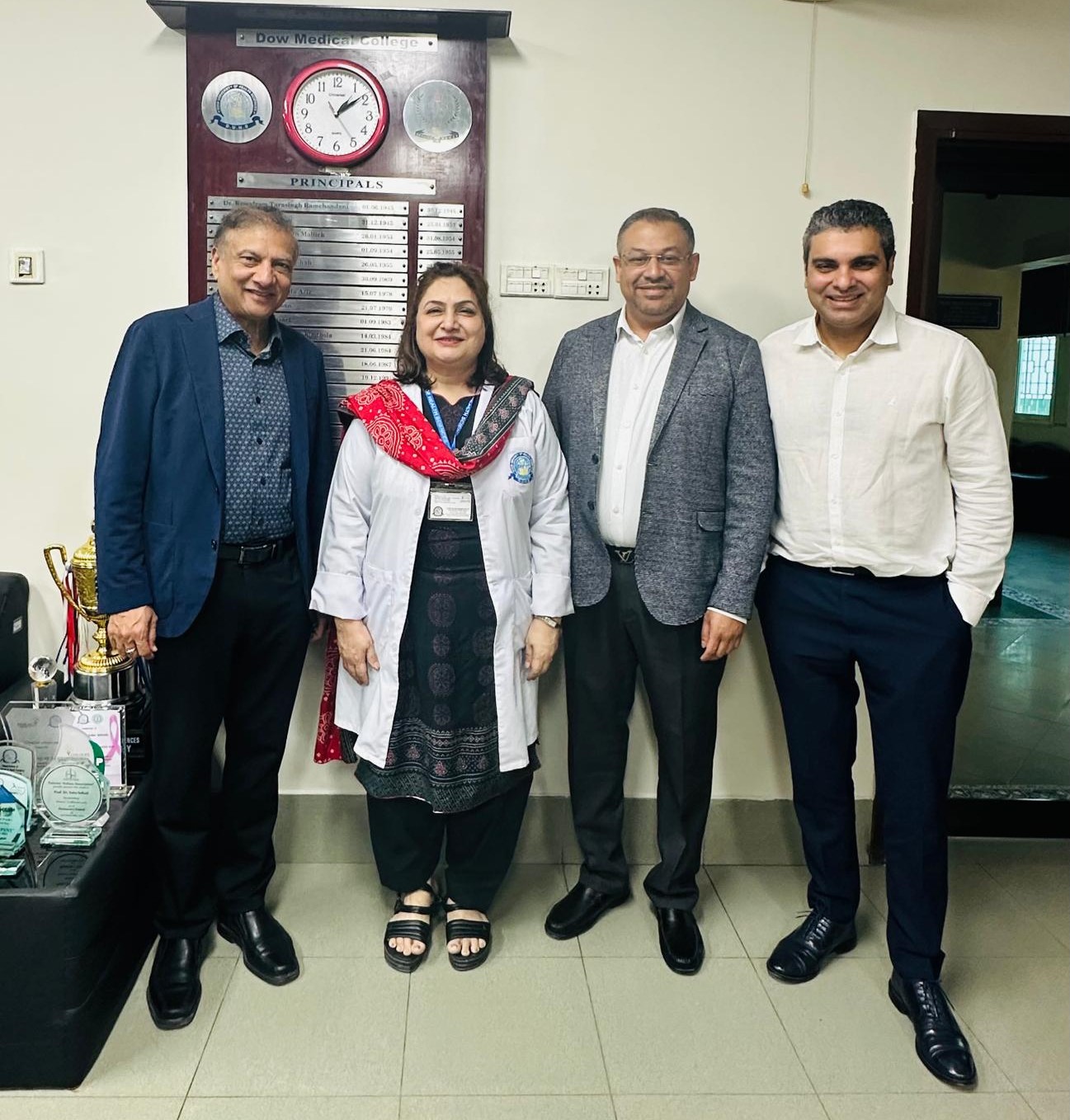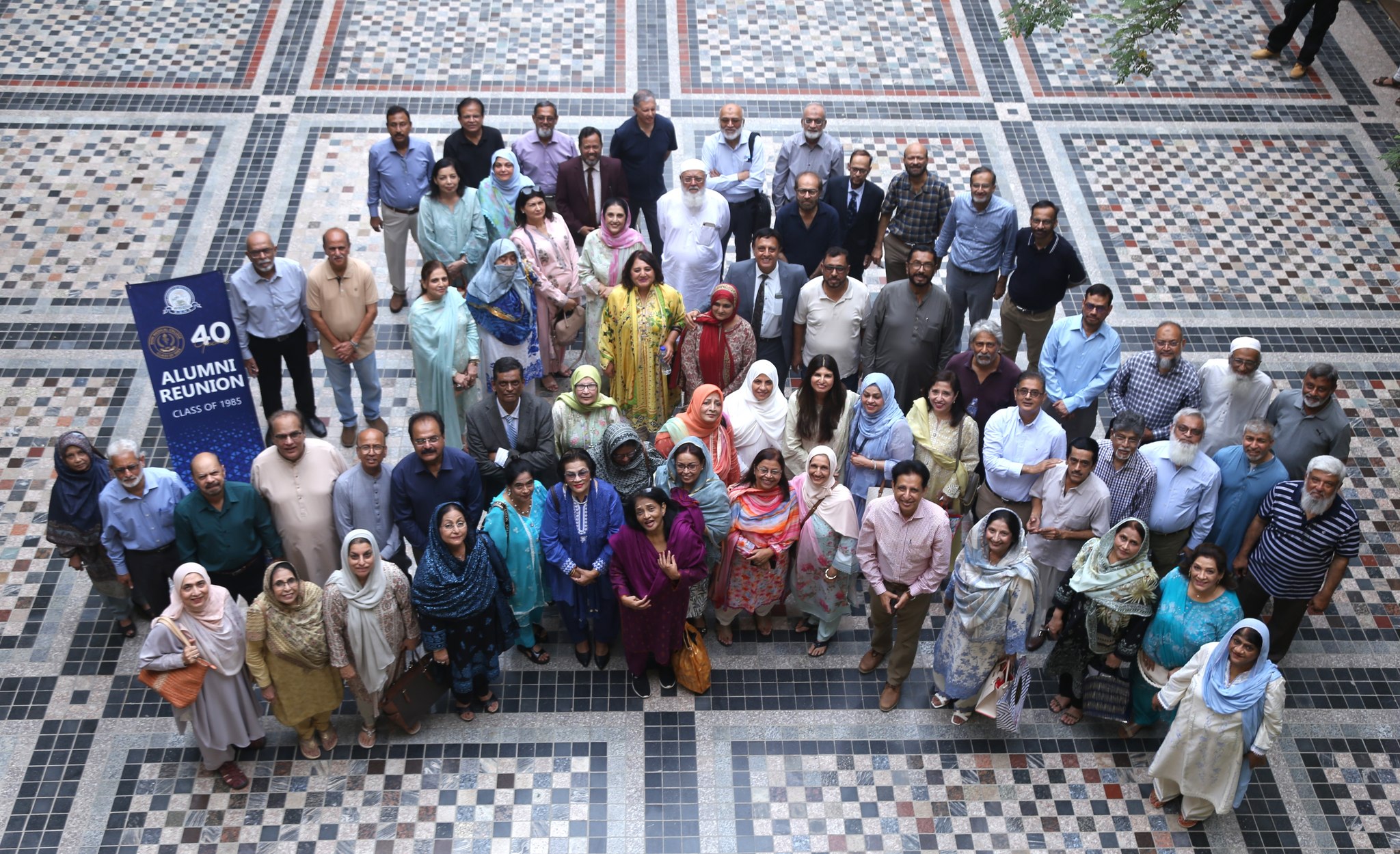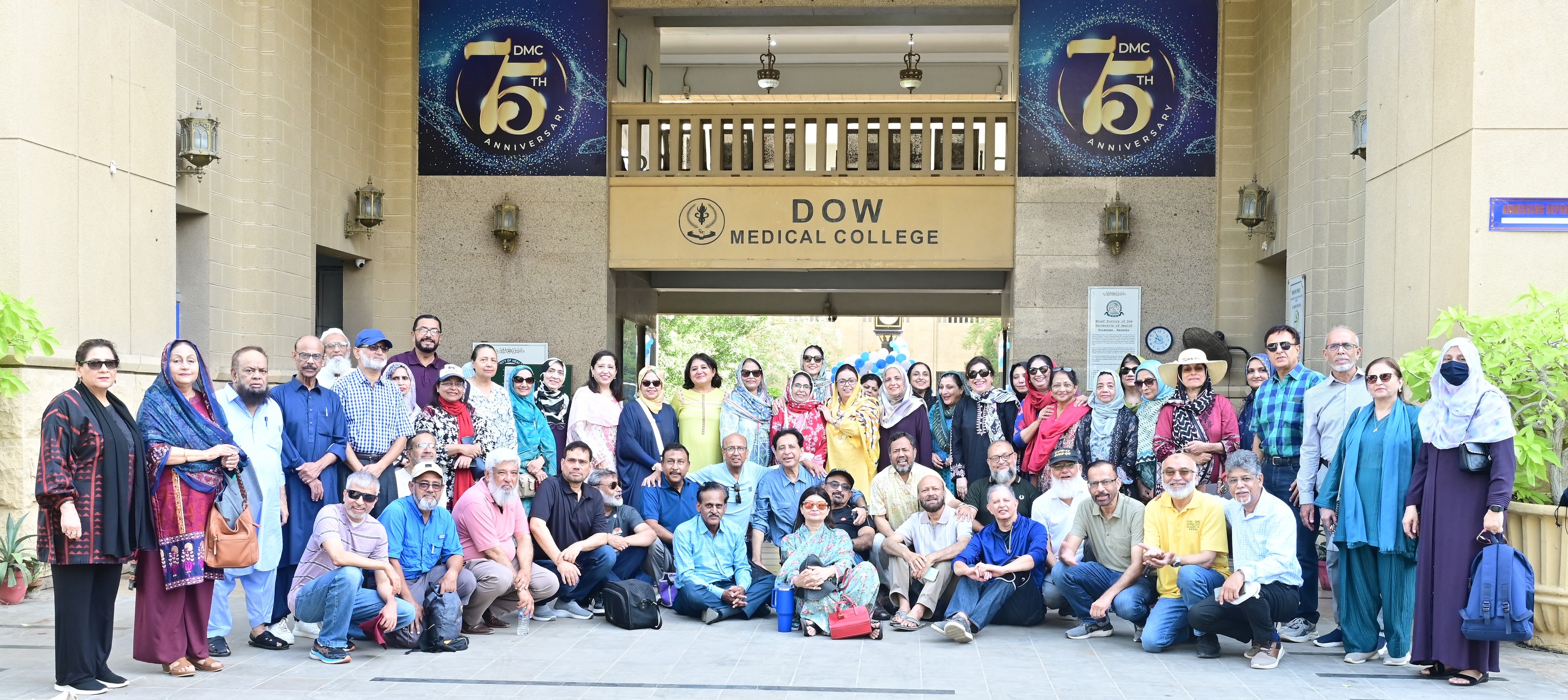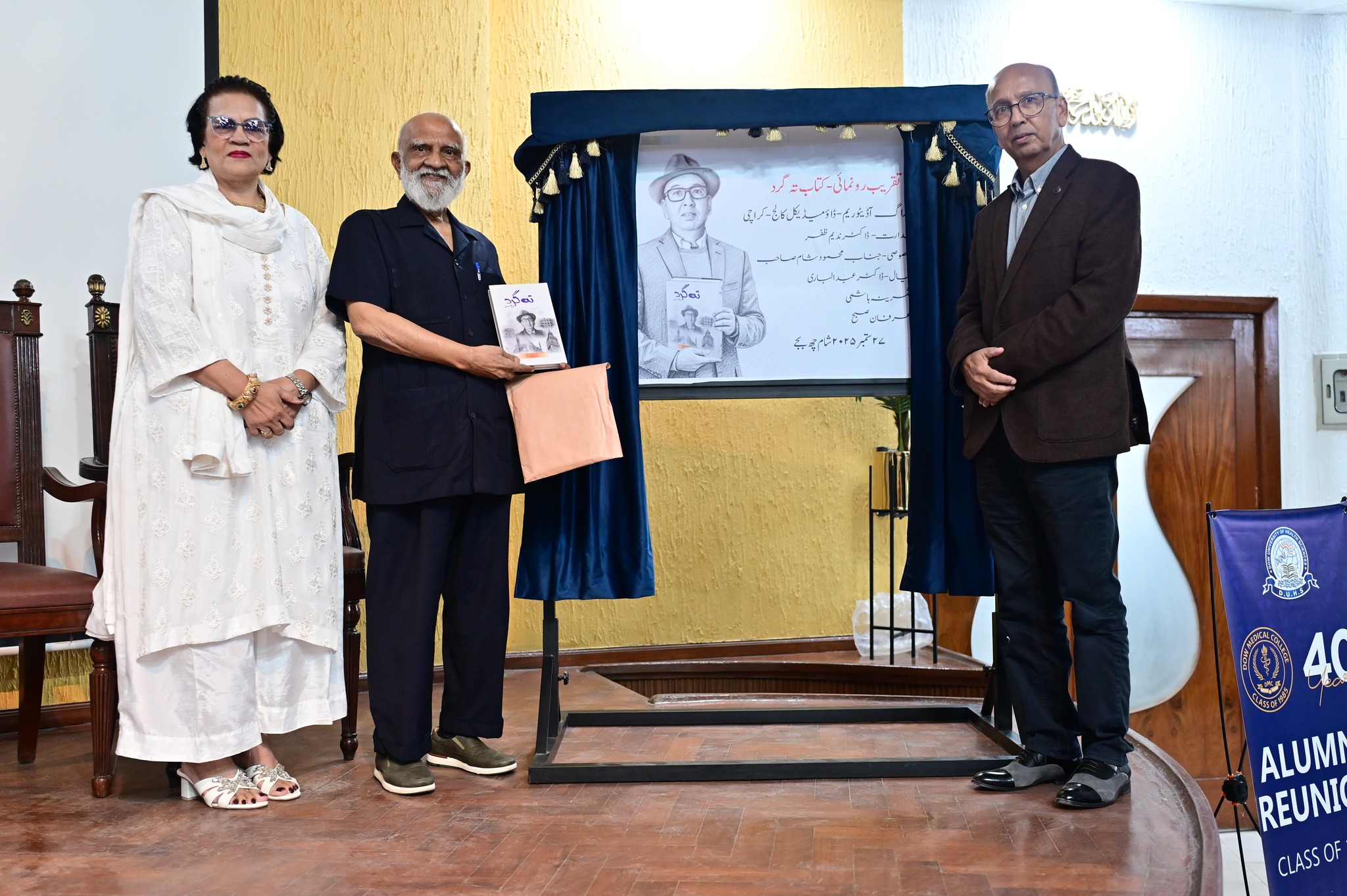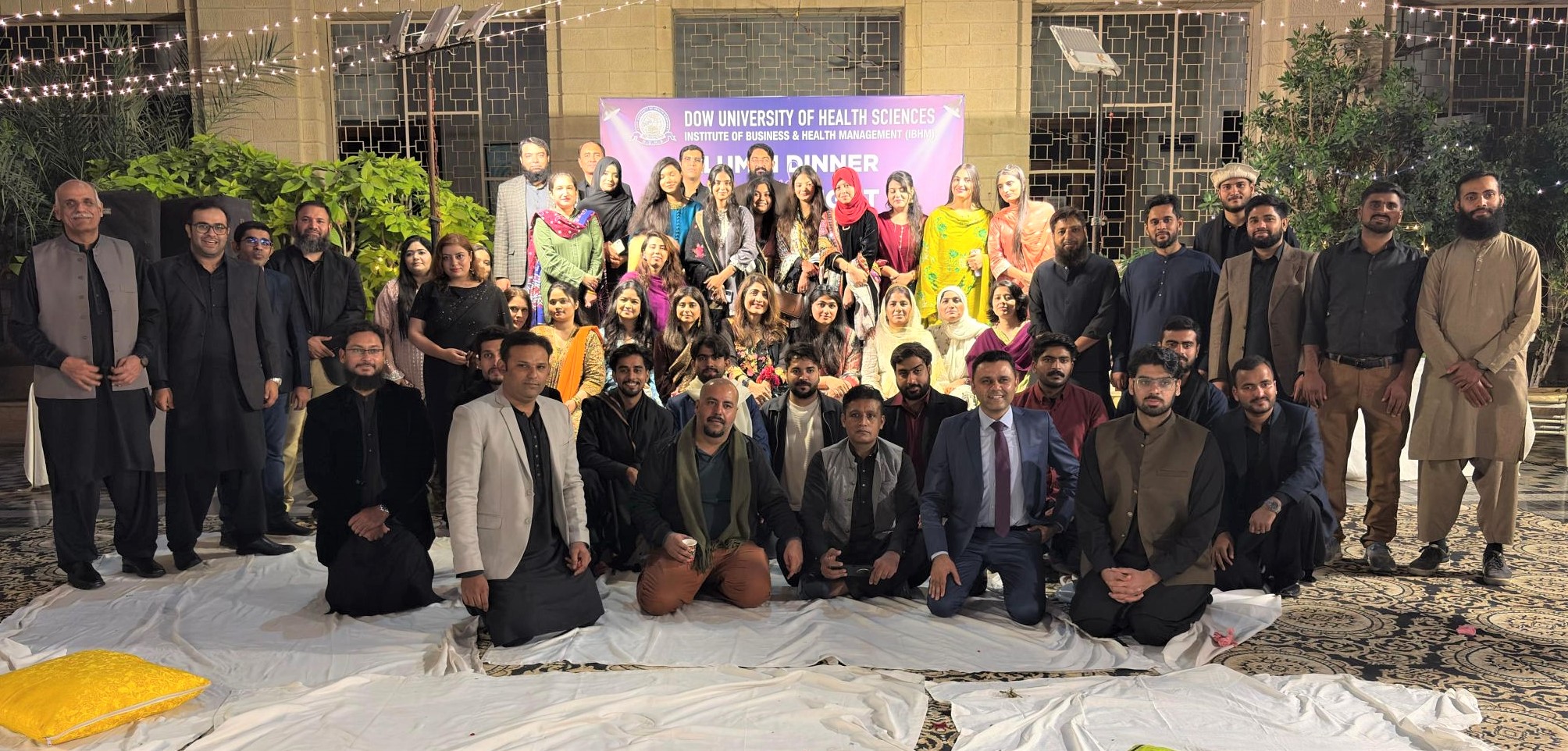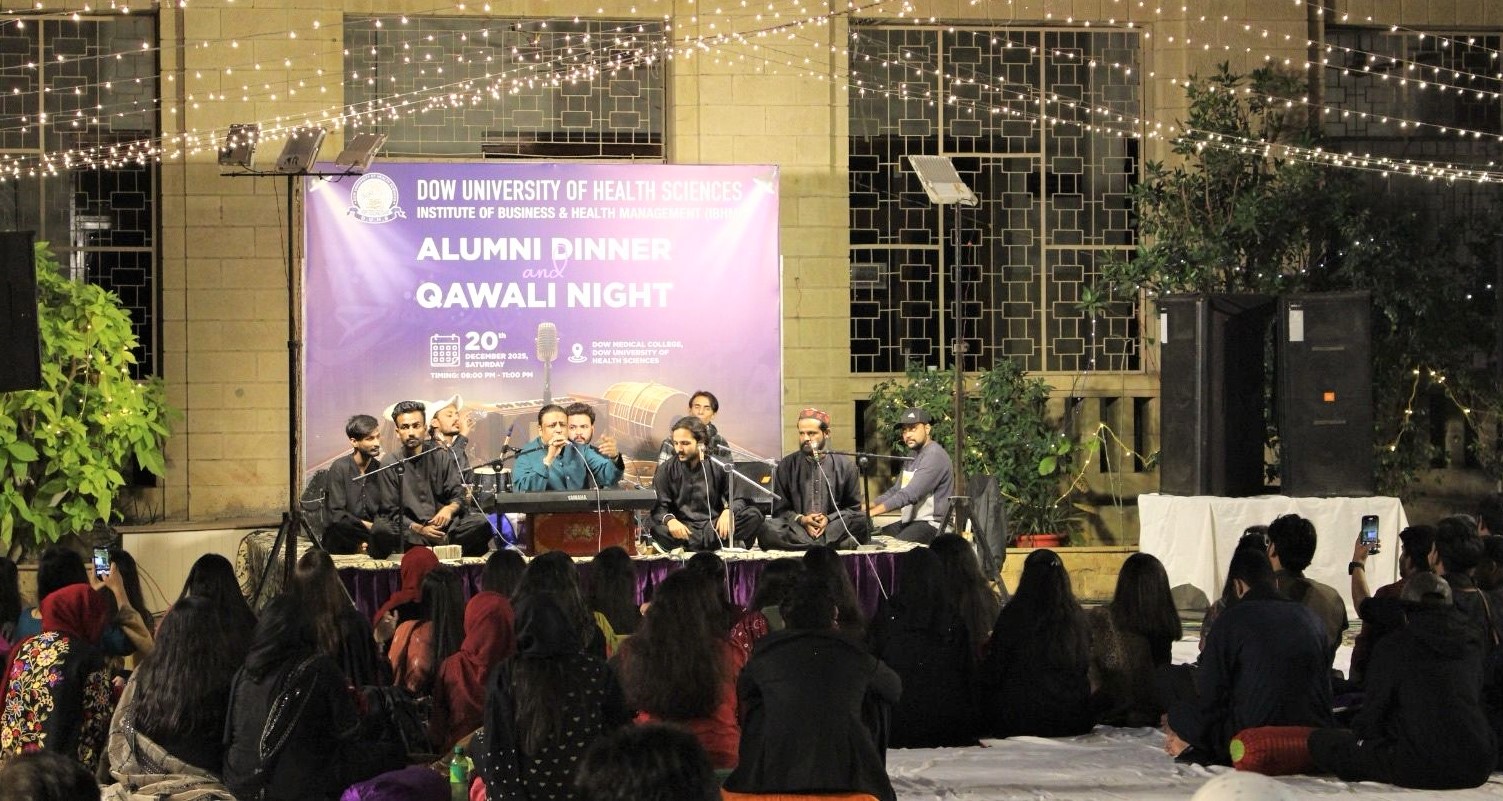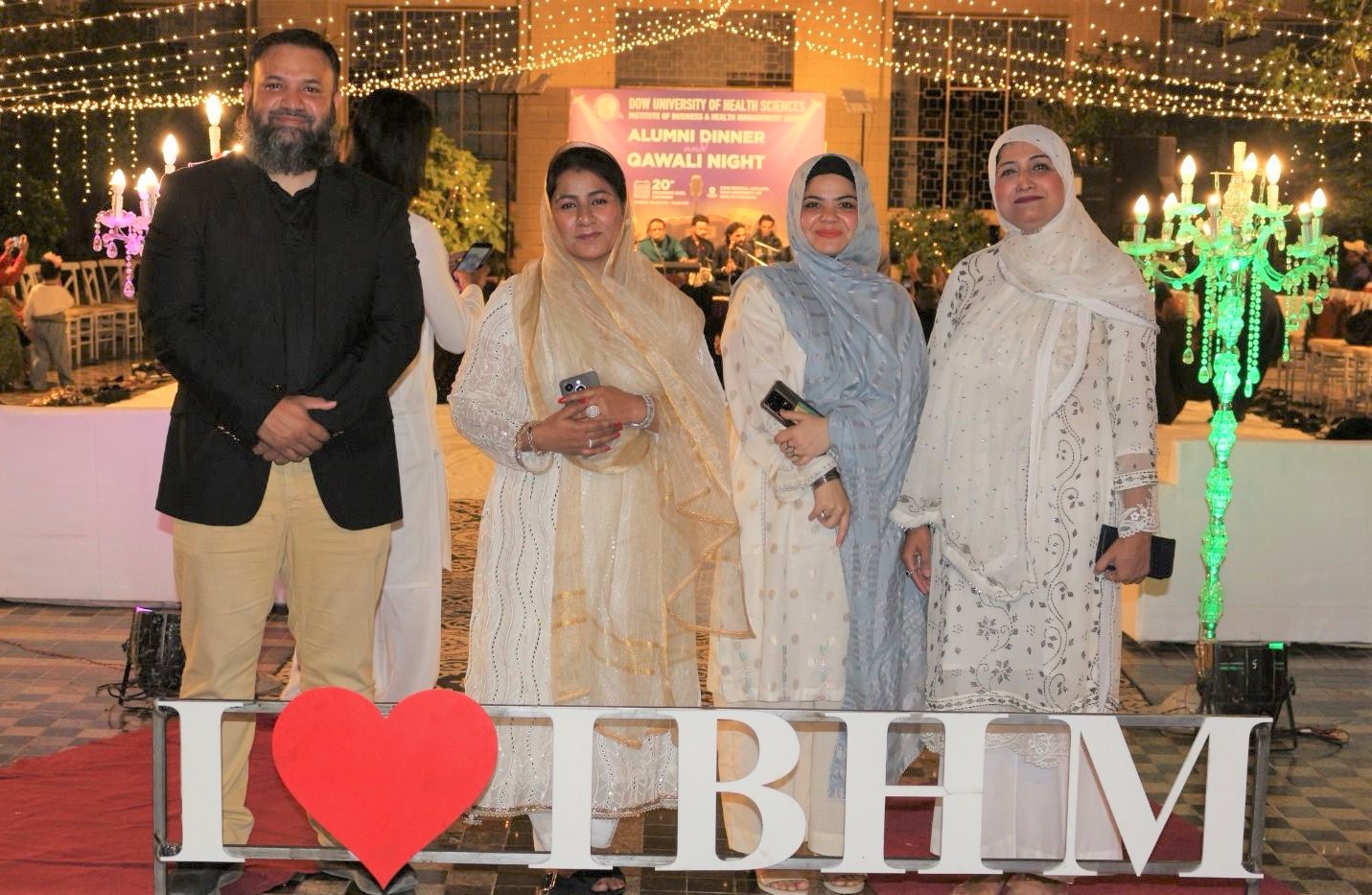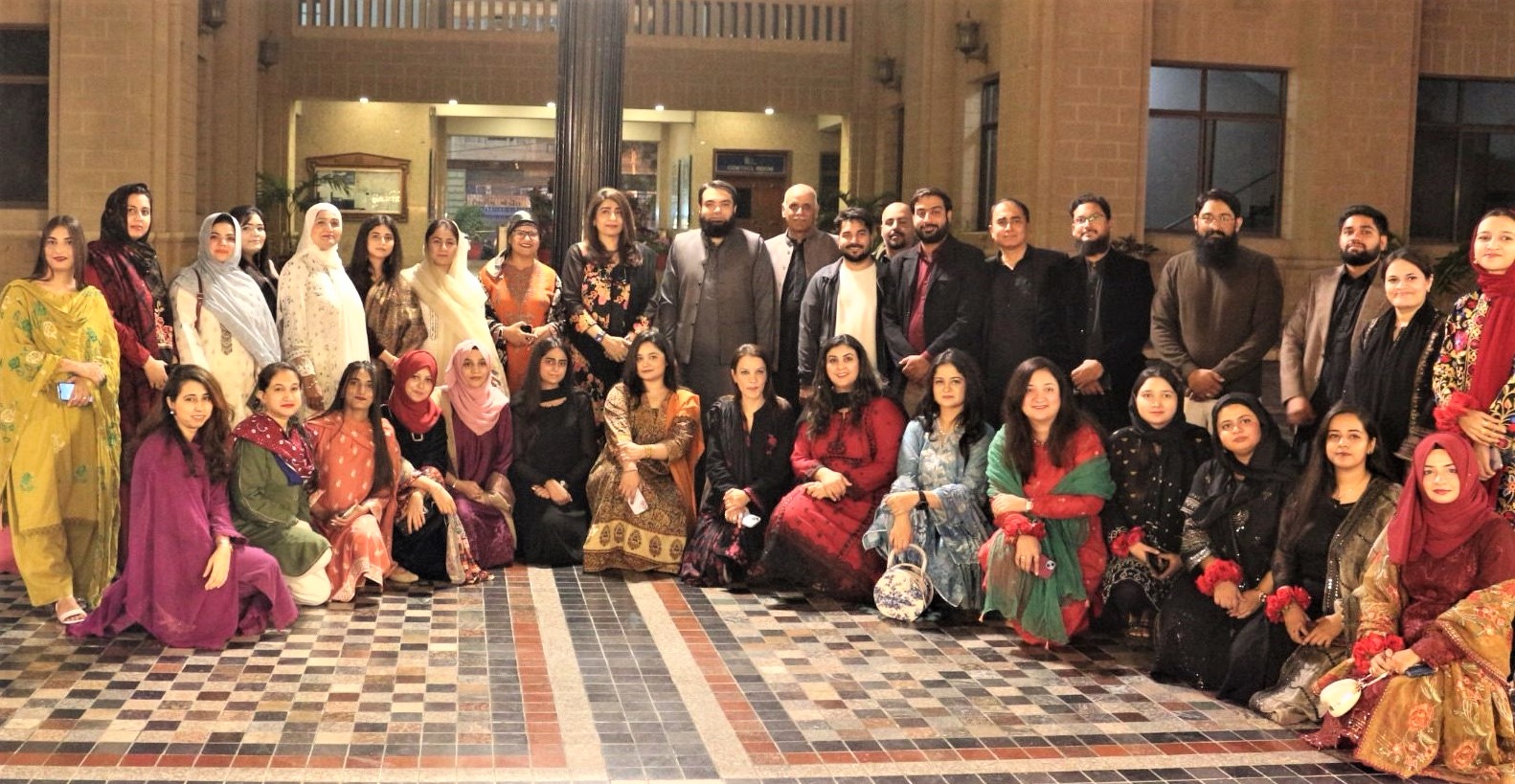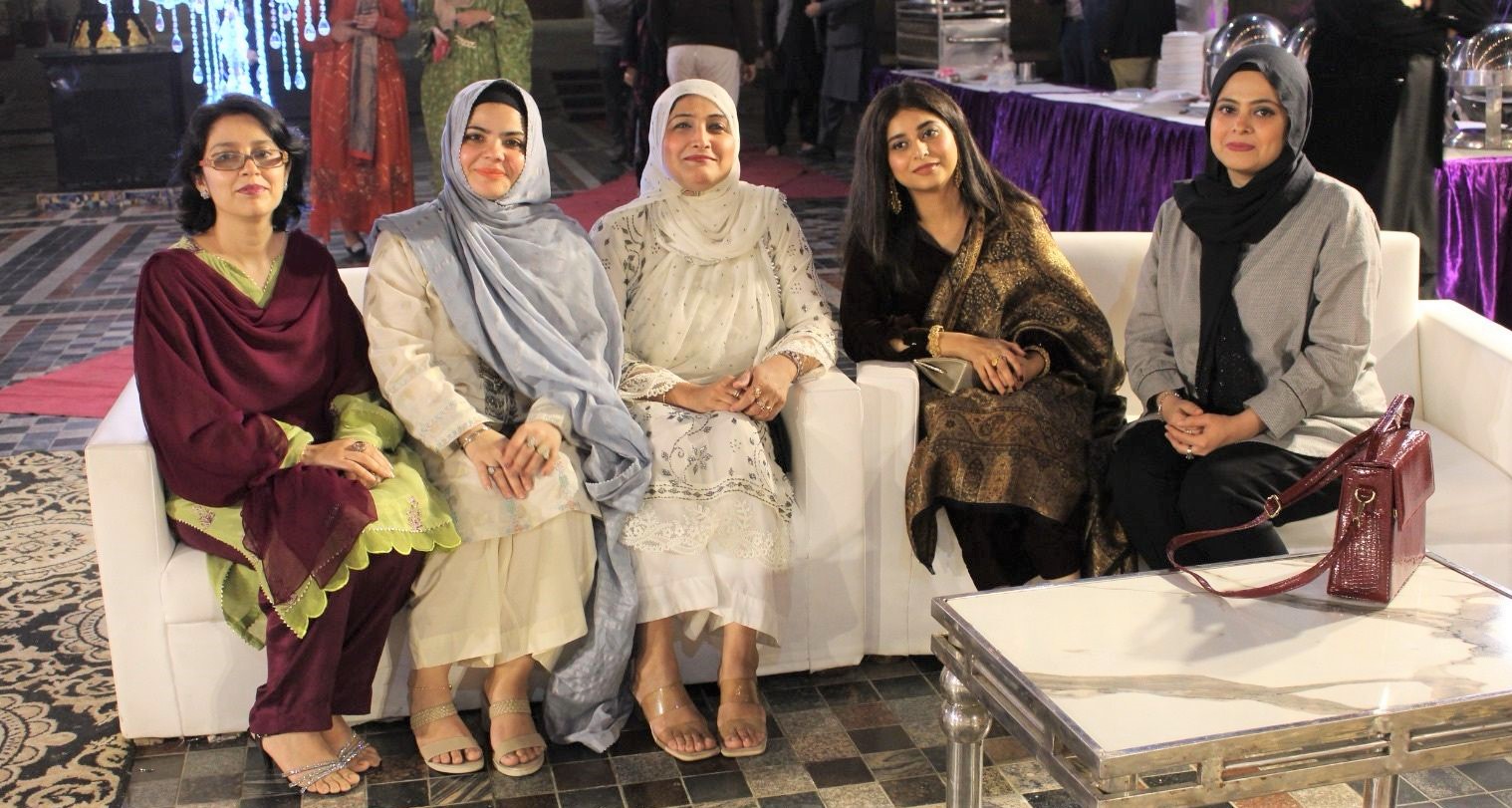
The Dow University of Health Sciences (DUHS) Alumni Department is dedicated to fostering enduring connections between the University and its graduates across the globe. Building upon DUHS' proud heritage of excellence in medical and health sciences education, we serve as a vital link between our rich past and a progressive future.
For decades, DUHS has produced leaders, innovators, and pioneers in healthcare, research, and education, both in Pakistan and internationally. This legacy of accomplishment inspires new generations and reinforces our commitment to academic rigor, ethical practice, and community service.
Through strategic initiatives, professional development programs, networking opportunities, and collaborative projects, the Alumni Department strengthens this heritage, ensuring that the University's values, achievements, and impact are preserved and advanced.
We invite all DUHS alumni to reconnect, collaborate, and contribute to the continued growth of our shared legacy. Together, we uphold the proud heritage of DUHS and carry forward its mission of excellence in healthcare and education.
Stay connected. Stay involved. Stay proud to be DUHS.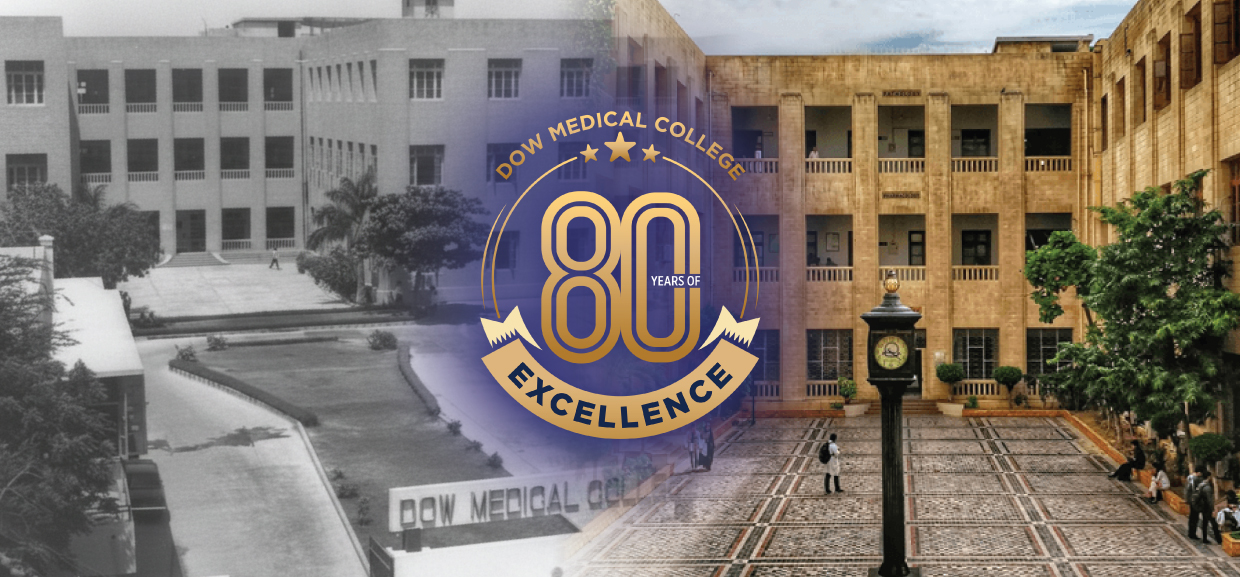
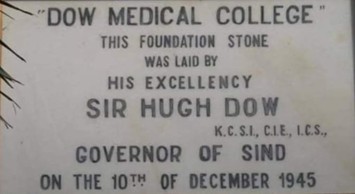
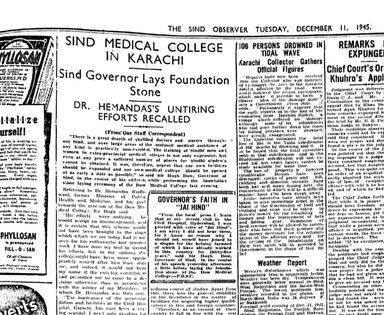
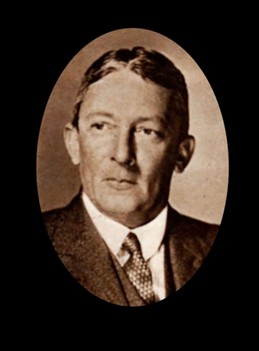
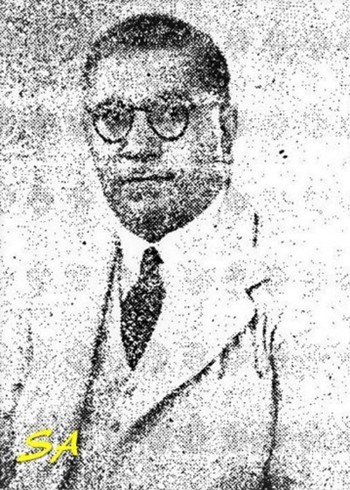
The history of Dow Medical College is deeply intertwined with two visionary figures: Sir Hugh Dow, the then Governor of Sindh, and Dr. Hemandas Rupchand Wadhwani, the Health Minister of Sindh.
At that time, the medical college in Hyderabad faced the threat of closure unless it was improved and relocated. Dr. Hemandas Wadhwani took on this challenge, leading the negotiations and efforts that resulted in the successful transfer of the institution to Karachi. In recognition of Sir Hugh Dow's role, the new institution was named Dow Medical College, and its foundation stone was laid on 10th December 1945.
Dr. Hemandas Wadhwani's contributions to medicine and public service were remarkable. A graduate of Grant Medical College, Bombay (1920), he went on to establish a hospital and maternity home in Jacobabad. His service as Honorary Secretary of the Indian Red Cross Society and later with the Paris Red Cross Society League reflected his dedication to humanitarian causes. He further enhanced his medical expertise through postgraduate studies in Vienna.
In 1934, he was awarded the prestigious 'Kaiser-i-Hind' Medal by the Government of India for his services. After moving to Karachi, Dr. Wadhwani emerged as one of the city's leading physicians. His political journey included election to the Sindh Legislative Assembly, where he served as Minister of Public Works, Public Health, Industries, and Civil Defence. He was also the first President of the Sindh Nursing Council (1942–1945) and a member of the Medical Council of India.
The establishment of Dow Medical College stands as one of his greatest legacies. On the eve of Independence, Karachi celebrated with grandeur: sixteen gates were erected along the three-mile route traversed by Quaid-e-Azam Muhammad Ali Jinnah and Lord Mountbatten. One of these gates was dedicated to Dr. Hemandas Wadhwani, in recognition of his services.
In addition to his medical and political achievements, Dr. Wadhwani was a strong advocate for minority rights. He founded the Pakistan Minorities Association, serving as its President, with M.S.M. Sharma as one of the Vice-Presidents.
Through the vision of Dr. Hemandas Wadhwani and the support of Sir Hugh Dow, Dow Medical College became a cornerstone of medical education in Pakistan, a legacy that continues to inspire generations.
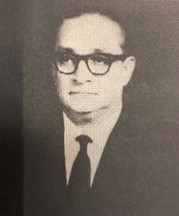
Prof. Habib Patel was born in 1912 in India and went on to become one of the most distinguished surgeons of his time. An exceptional student, he graduated from Grant Medical College, Bombay, where he later joined the faculty in 1941.
In 1947, following the creation of Pakistan, Prof. Patel accepted an invitation from the Government of Sindh to join Dow Medical College and the Civil Hospital Karachi as Professor of Surgery in Unit II. His arrival marked the beginning of a long and impactful career dedicated to advancing medical education and healthcare in the country.
One of his landmark contributions came in 1966, when, through his tireless efforts, the Government of Pakistan allocated 64 acres of land for a project that eventually evolved into today's Aga Khan University Hospital complex—a world-class institution that continues to serve Pakistan and beyond. In 1967, he was appointed as the President of the Aga Khan Hospital Medical College Foundation, a position he held until his passing.
Prof. Patel was also a founding fellow of the College of Physicians and Surgeons of Pakistan (CPSP), reflecting his pioneering role in shaping postgraduate medical education. He served as President of the Pakistan Medical Association (PMA) for five terms and also held the honorary rank of Surgeon Commander as Consulting Surgeon to the Pakistan Navy.
Beyond his academic and institutional contributions, Prof. Patel was a strong advocate for community health. He played a central role in the extension of the Janbai Maternity Home in Kharadar, thereby strengthening maternal and child healthcare services in Karachi.
Prof. Habib Patel passed away on 26th September 2004, at the age of 92, leaving behind a legacy of medical excellence, institution building, and service to the nation. His vision and leadership continue to inspire future generations of physicians and surgeons in Pakistan.
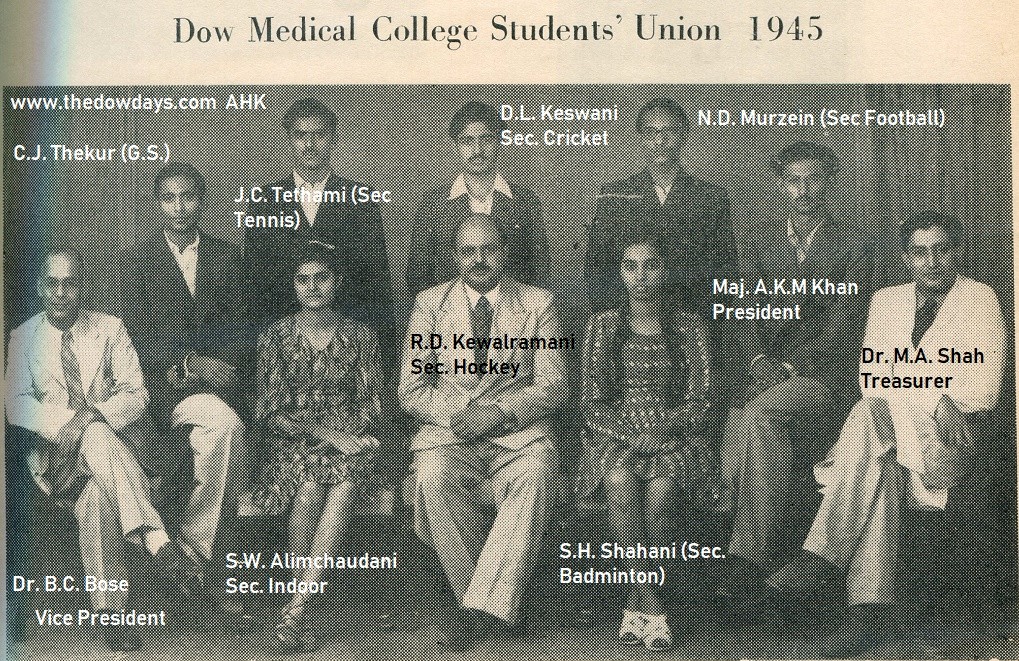
With the founding of Dow Medical College on 10th December 1945, the first Students' Union was also established, marking the beginning of a tradition that continued for nearly three and a half decades. The Union served as the official and democratic voice of the student body, representing their interests before the college administration, Civil Hospital Karachi, and initially the University of Bombay, and later, the University of Karachi, as well as provincial and federal authorities.
The Dow Medical College Students' Union quickly became a vital institution, not only advocating for student welfare but also playing an active role in the social, academic, and political life of the college. It regularly organized social gatherings, literary events, and annual graduation ceremonies, where awards were presented to students of distinction.
The Union was instrumental in securing essential student amenities, such as a college library and cafeterias, and was proactive in addressing issues of concern. It took a firm stand in cases of misconduct, including instances of sexual harassment allegations against faculty, ensuring that students' voices were heard and protected. The Union also represented students in academic matters, such as negotiating with the University when examinations were perceived as unfair or when walkouts occurred due to objectionable questions.
Beyond academics, the Union extended its support to the community of students by arranging books for those in need, and providing transportation facilities, including buses for students commuting from outlying areas of Karachi.
The Dow Medical College Students' Union of 1945 laid the foundation of a student movement characterized by leadership, resilience, and service. It became a platform through which students learned not only to advocate for their rights but also to contribute meaningfully to society and national discourse.
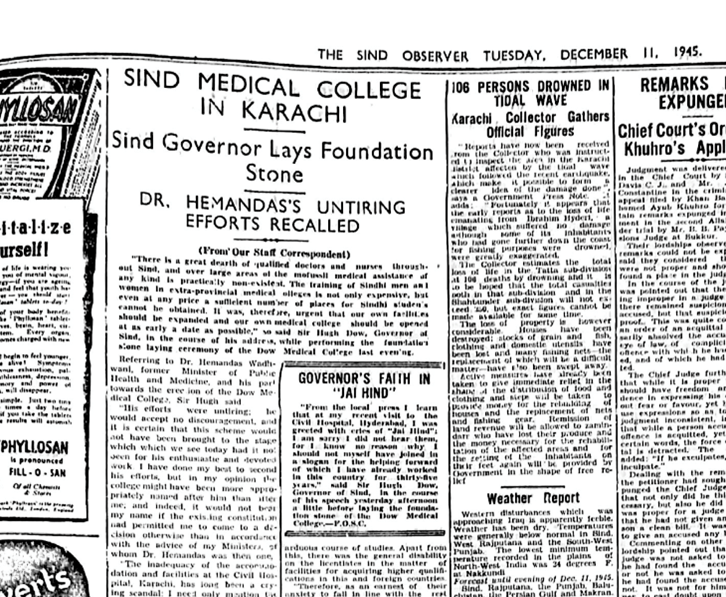
Dow Medical College, one of the oldest medical institutions in Pakistan, was established in 1945 during the final years of British rule. Its founding was made possible under the leadership of Sir Hugh Dow, Governor of Sindh, and Dr. Hemandas Rupchand Wadhwani, Minister of Public Health. From its very inception, the College was envisioned as a center of medical excellence, dedicated to serving the region's growing healthcare needs.
The official inauguration of the College building took place in November 1945 in Karachi. The ceremony was presided over by Mr. Pir Ilahi Bux, Minister of Sindh, who addressed the gathering, while the formal inauguration was carried out by Mr. Maudi, Governor of Sindh.
Following the inauguration, 45 students were admitted into the very first batch of Dow Medical College. Among them was Ms. Fahmida Shaikh, the only Muslim female student, who went on to symbolize the progressive and inclusive vision of the institution from its earliest days.
Over the past seven decades, Dow Medical College has transformed from a modest medical school into a prestigious institution, now flourishing as the Dow University of Health Sciences. It has produced generations of renowned physicians, surgeons, and healthcare leaders who have not only served Pakistan but have also earned distinction in leading medical institutions worldwide.
The inauguration of 1945 marked the beginning of a legacy that continues to inspire and shape the future of medical education in Pakistan.
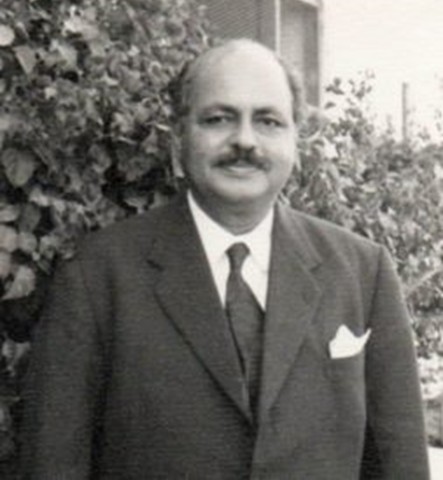
Lt. Col. Aziz K. M. Khan served as the second Principal of Dow Medical College, guiding the institution through its formative years. His first tenure extended from 31st December 1945 to 25th January 1953, and he later resumed office from 1st September 1954 to 25th May 1955.
During his leadership, Dow Medical College began to establish itself as a cornerstone of medical education in Pakistan, laying the foundation for its future growth and prestige. His tenure was marked by commitment to academic excellence and the nurturing of the early batches of Dow graduates, many of whom went on to serve in leading medical roles both nationally and internationally.
In the 1980s, Lt. Col. Aziz K. M. Khan tragically passed away while attending the First Symposium at Dow Medical College, where he was present as the Chief Guest. His sudden death in the presence of colleagues, students, and fellow physicians left a deep impact on the institution he had helped shape.
Lt. Col. Aziz K. M. Khan is remembered with great respect for his service, leadership, and contributions to the legacy of Dow Medical College.
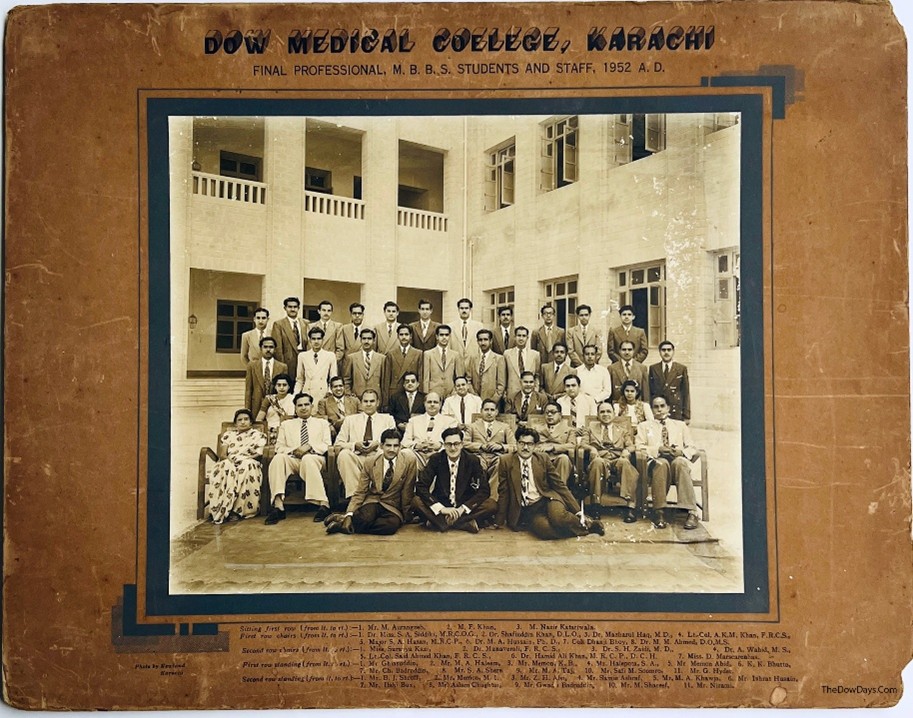
We proudly present a nostalgic group photograph taken in front of the main building of Dow Medical College. This historic image captures the Final Professional MBBS Class of 1952, along with members of the teaching faculty.
Notably featured in this photograph is Professor Khawaja Moin, recognizable as a final-year student, standing in the top row, fifth from the left. This class represents one of the earliest generations of Dow graduates who went on to shape the fields of medicine and surgery in Pakistan and abroad.
Prof. Dr. Mir Abdul Basir, M.B.B.S., Ph.D. (London), was among the pioneering medical academics of Pakistan. He served as Professor of Physiology at Dow Medical College, Karachi, from 1948 to 1951, before moving to Liaquat Medical College, where he became its founding Principal and Professor of Physiology, a position he held until his retirement in 1953.
Before migrating to Pakistan in 1948, Prof. Basir was Professor of Physiology at Madras Medical College, India. He had earned his M.B.B.S. degree from the same institution in 1925, after which he joined the Indian Medical Service. His service included postings to Miranshah and other frontier stations in the North-West Frontier Province (NWFP).
In 1928, he was awarded a prestigious scholarship to pursue doctoral studies in Physiology at King's College, London, where he completed his Ph.D. His research and academic work reflected his deep commitment to medical science, with contributions that were recognized internationally.
His work was acknowledged by Lt. Col. S. L. Bhatia, Professor of Physiology and Dean of Grant Medical College, Bombay, in his article "History of Physiology in India" published in Progress of Science. He highlighted Prof. Basir's important findings on splenic physiology, noting his studies on the pressure required to open splenic ellipsoids and the effects of acetylcholine and adrenaline on back-pressure.
Prof. Basir's career was a blend of scholarship, leadership, and dedication to the advancement of medical education in South Asia. Tragically, he suffered a stroke and passed away in Karachi in 1953. He is remembered with great respect as one of the early torchbearers of medical education and research in Pakistan.
May his soul rest in eternal peace.
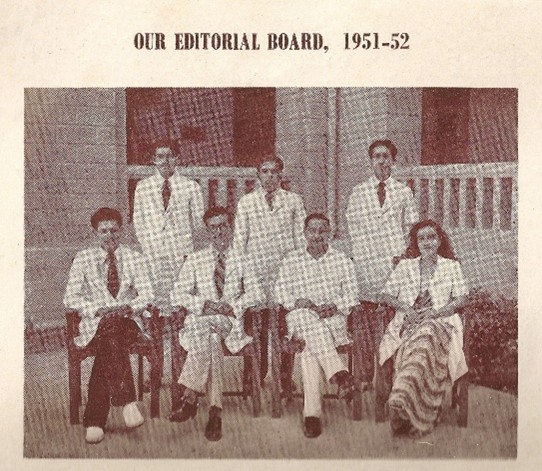
From Dow Magazine, 1951–52 Archives
From the Dow Archives, this historic photograph, first published in the Dow Magazine of 1951–52, features the Editorial Board of Dow Medical College during the early years when the institution was graduating its first classes. The picture, over six decades old, captures a team of young students and faculty members who played a pivotal role in documenting the academic, social, and cultural life of Dow through its official magazine.
At the center of this photograph is Dr. A. Wahid, M.S. (Anatomy), M.S. (Surgery), who served as the President of the Editorial Board. His presence symbolizes the mentorship and academic leadership that guided students in their creative and intellectual pursuits.
Sitting (Left to Right):
Standing (Left to Right):
Absent:
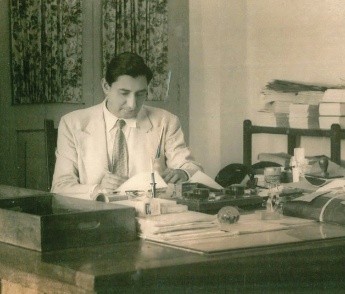
Prof. Mahmud Ali Shah, Principal Dow Medical College (1955–1969)
Professor Mahmud Ali Shah, MS, FACS, FICS, one of the most iconic figures in Dow's history, served as Principal of Dow Medical College from 1955 to 1969 — the longest tenure at that time.
He first joined Dow in 1948 as Professor and Head of Ophthalmology and soon became known as a brilliant teacher, meticulous researcher, and skilled surgeon. His contributions spanned both Anatomy and Ophthalmology, with pioneering research published internationally.
Under his leadership, Dow flourished. He represented Pakistan at WHO conferences worldwide, was elected Vice-President of the World Medical Conference on Medical Education (1965), and was honored with the Tamgha-i-Imtiaz (1969) and later the Ramzan Ali Syed Gold Medal (1984).
Beyond his achievements, Professor Shah was admired for his humility, discipline, and unwavering integrity. His devotion to medicine and education inspired generations of Dowites — making his name inseparable from the legacy of Dow Medical College.
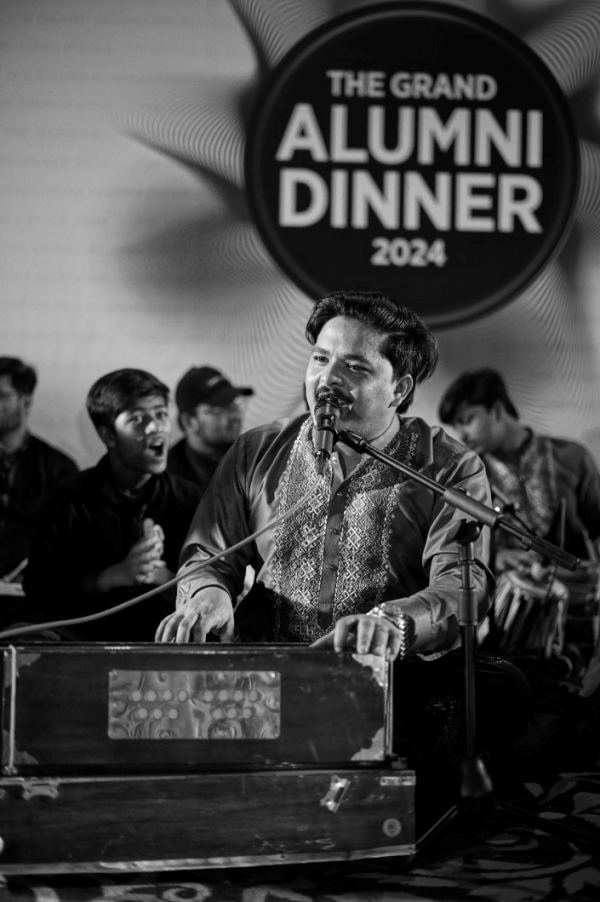
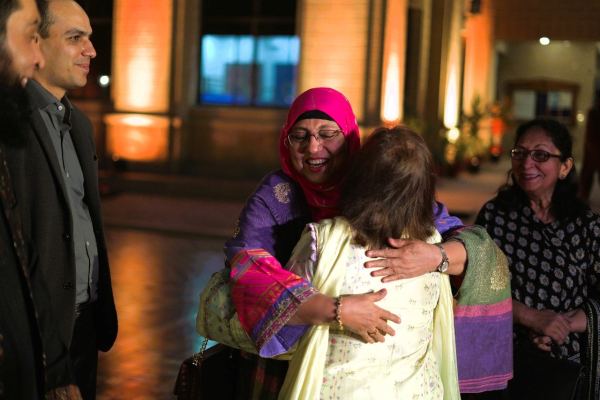
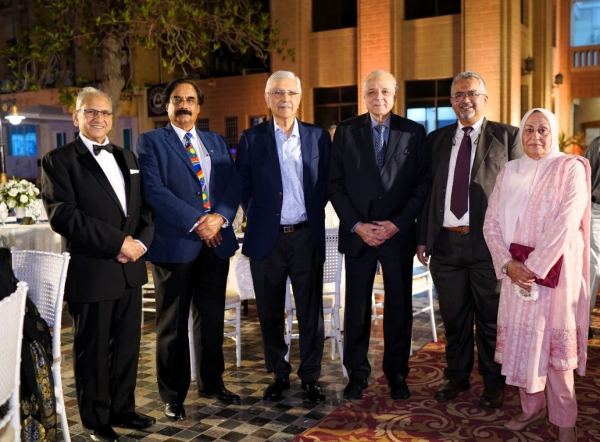
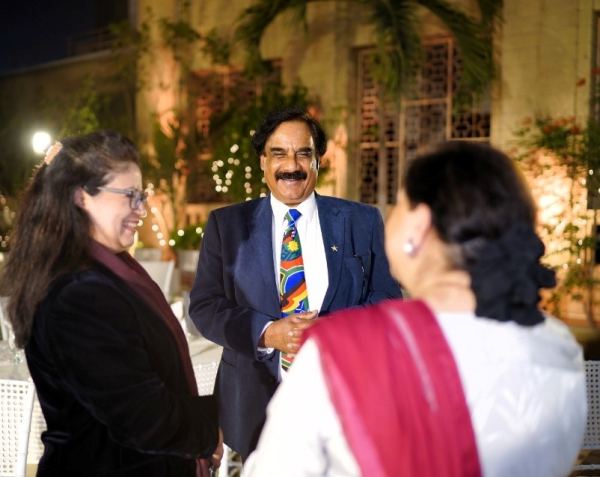
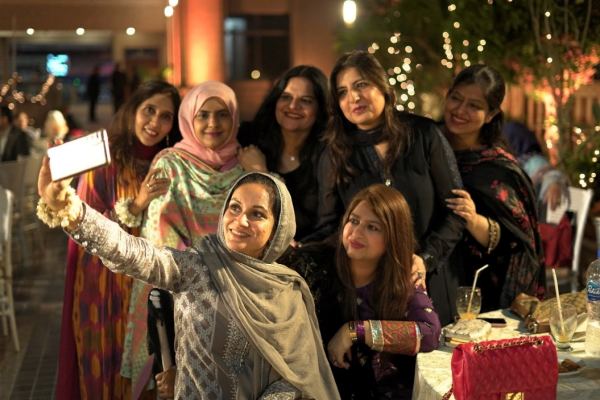
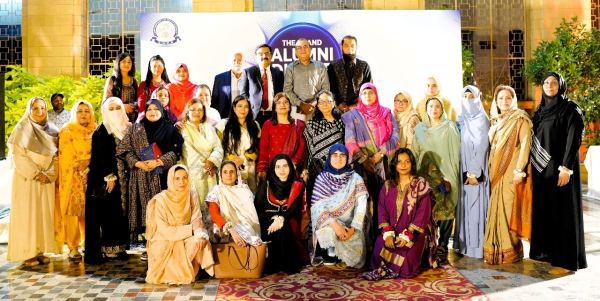
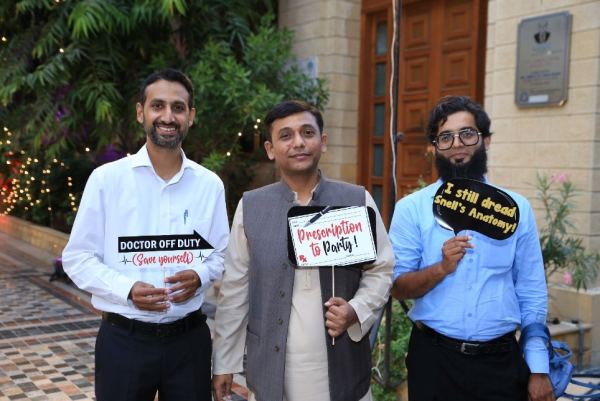
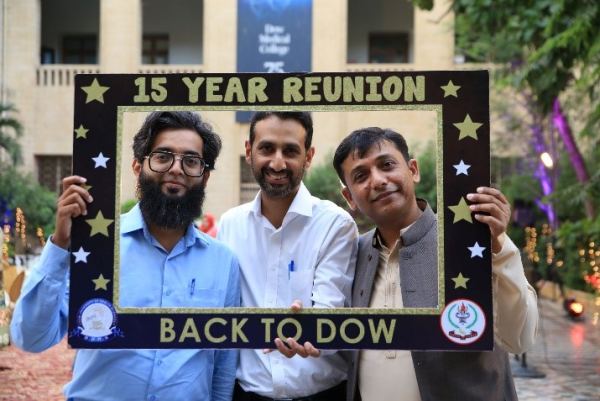
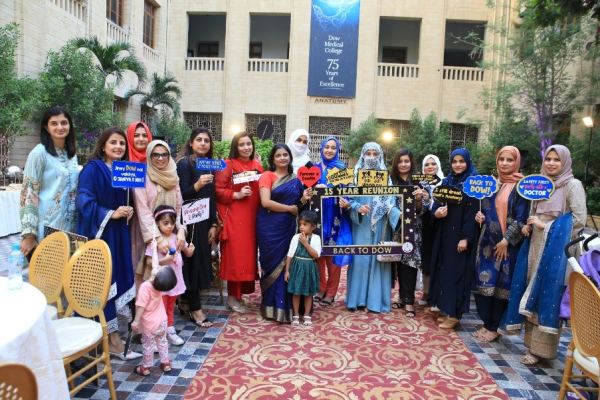
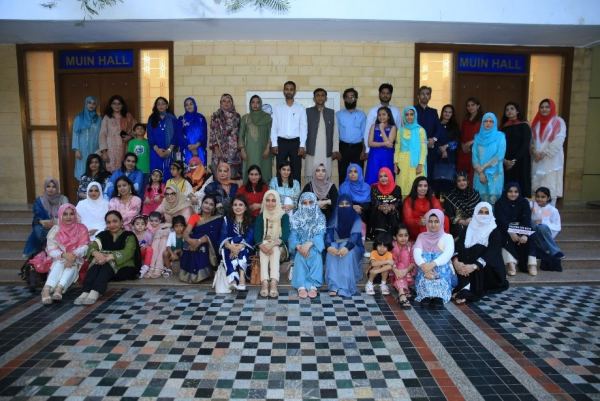
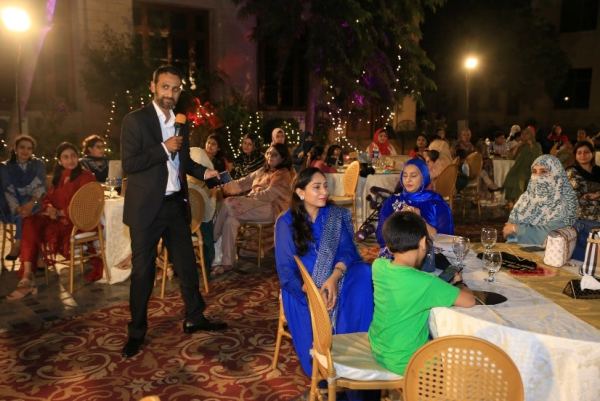
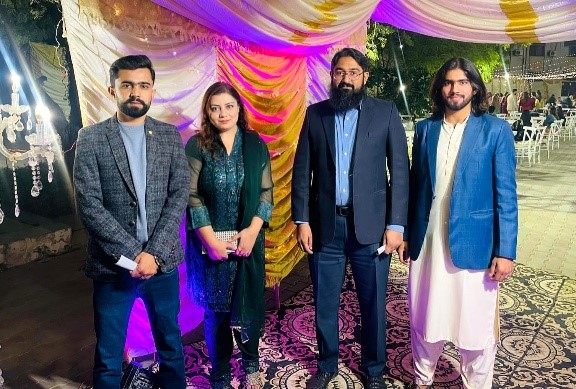
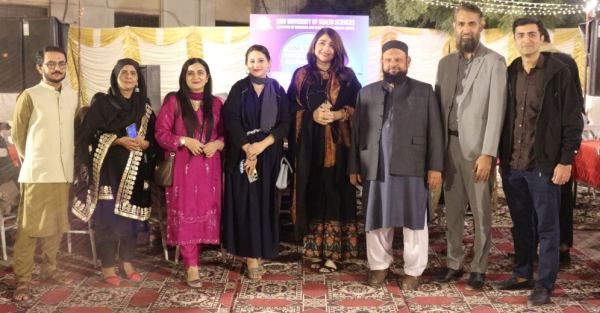
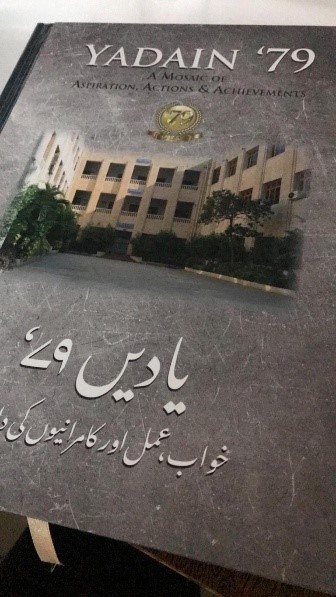
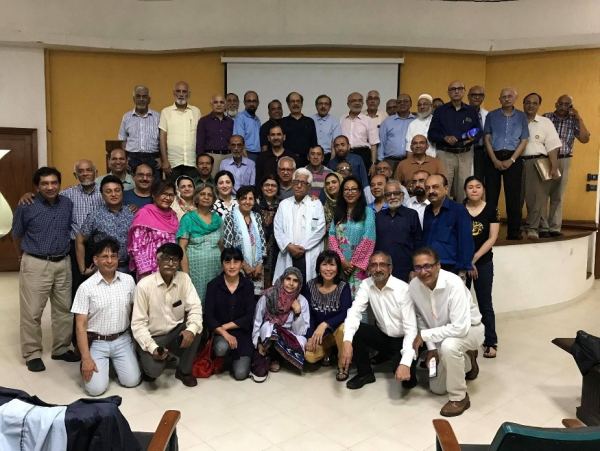
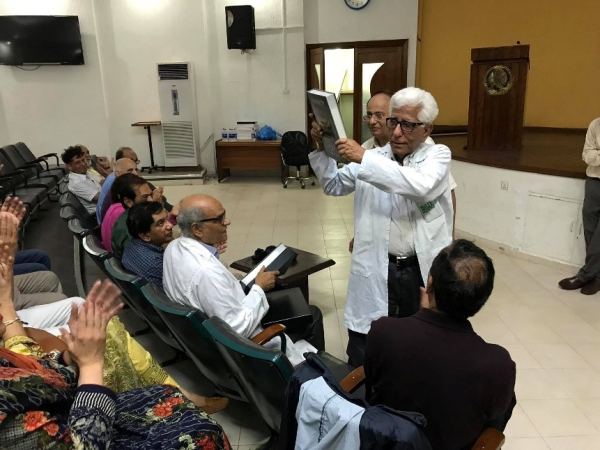
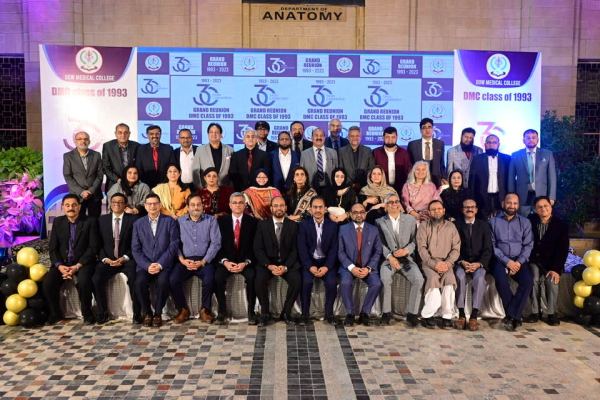
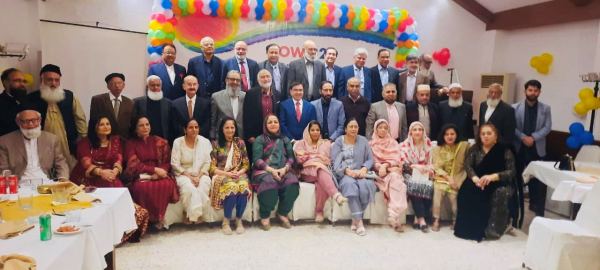
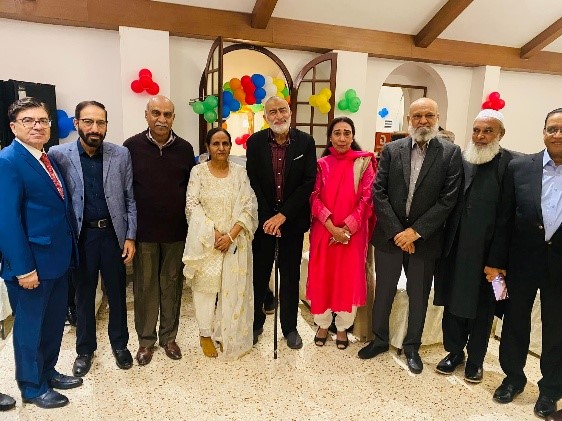
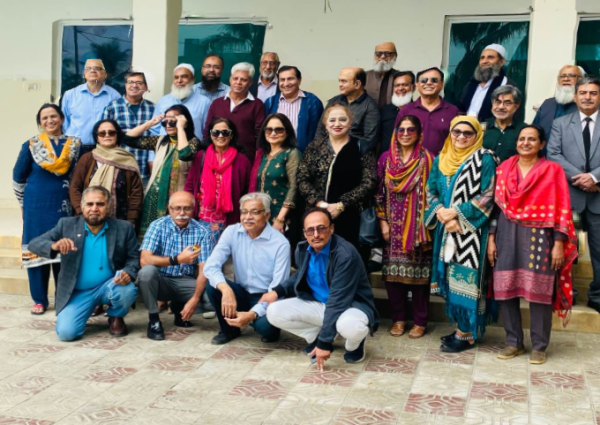
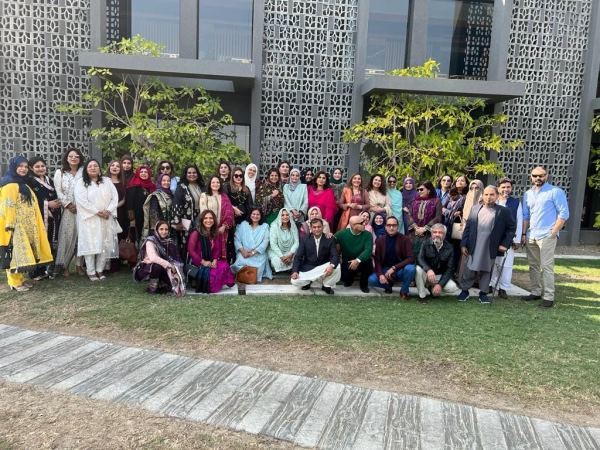
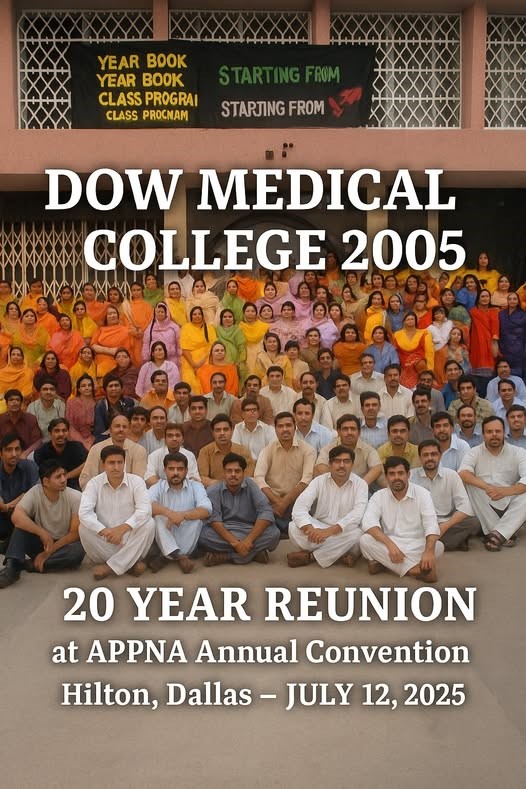
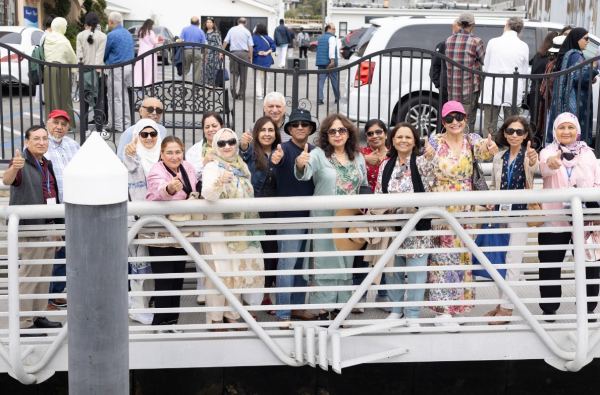
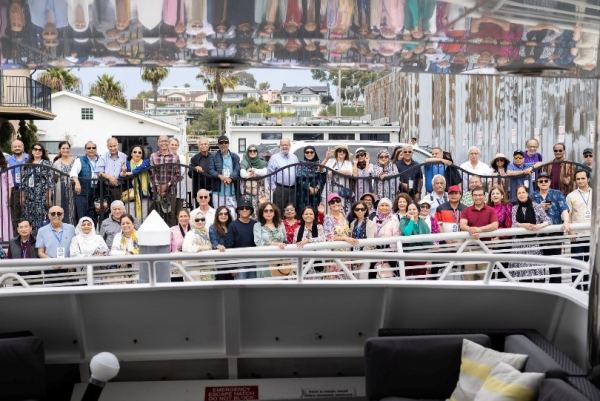
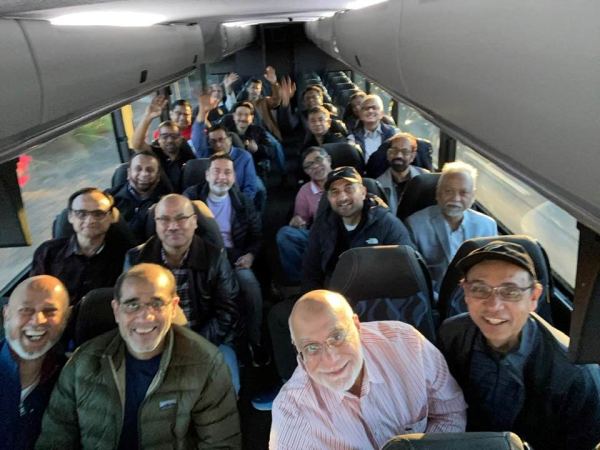
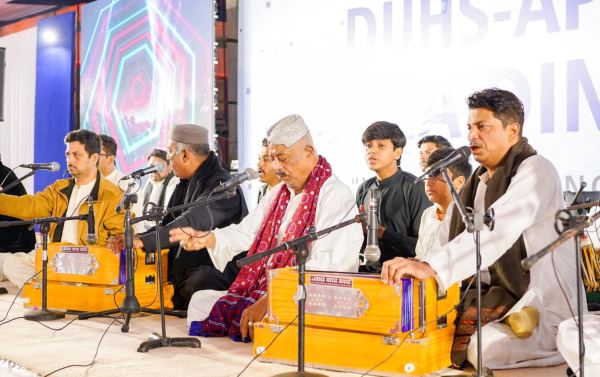
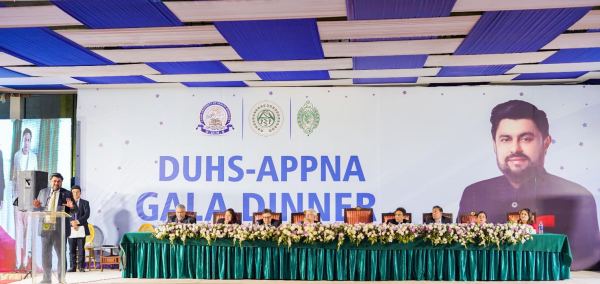
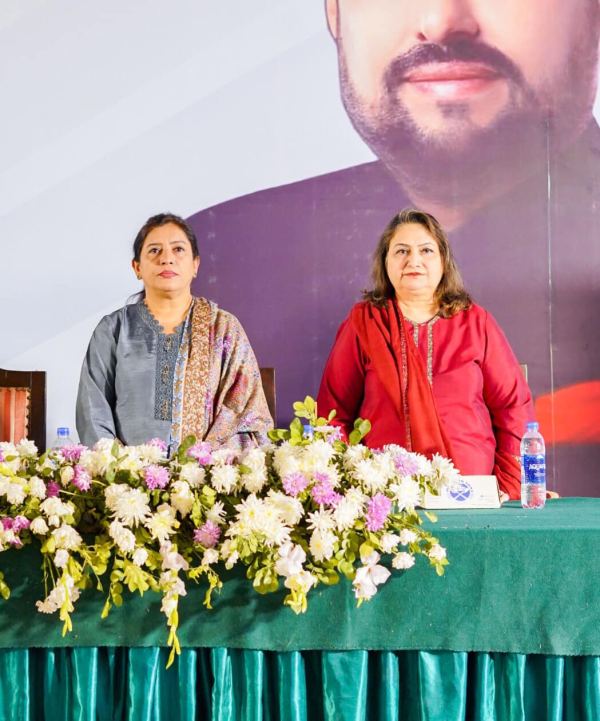
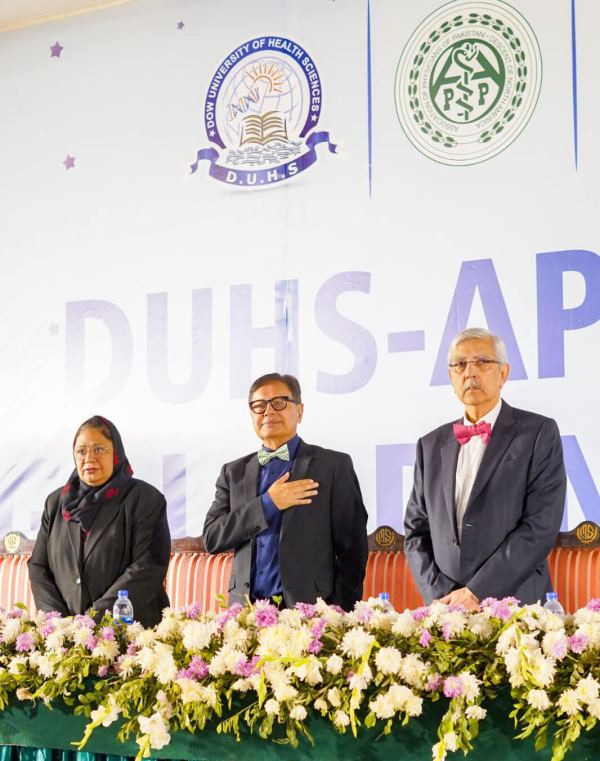
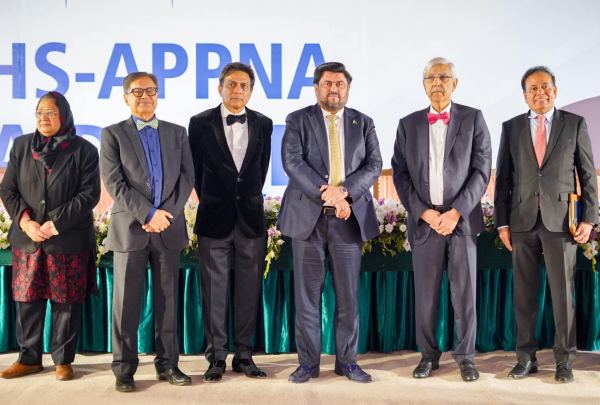
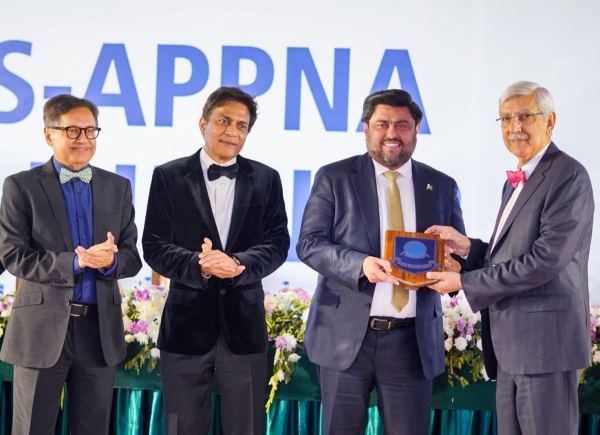
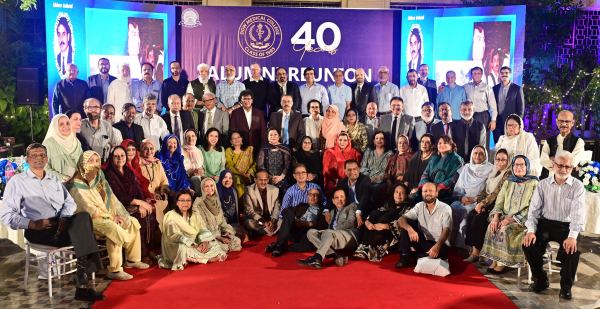
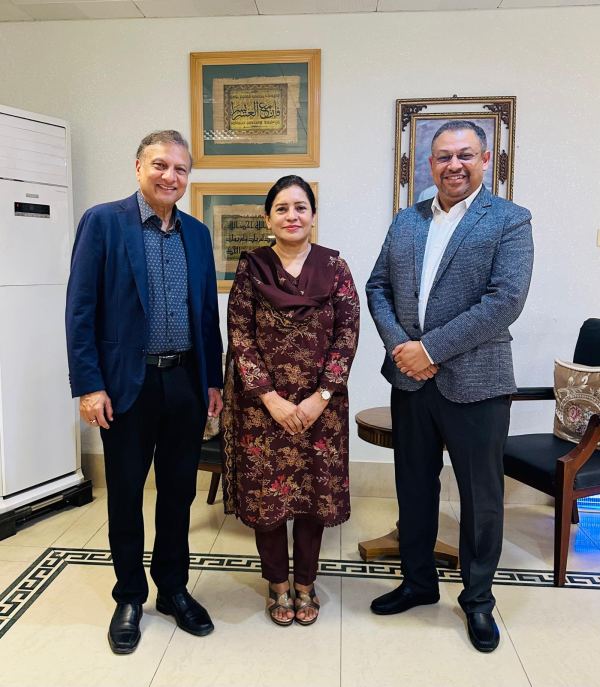
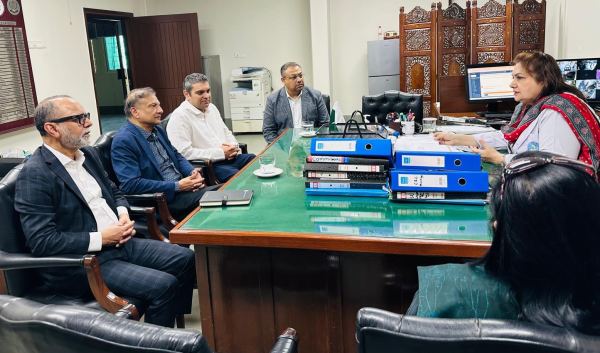
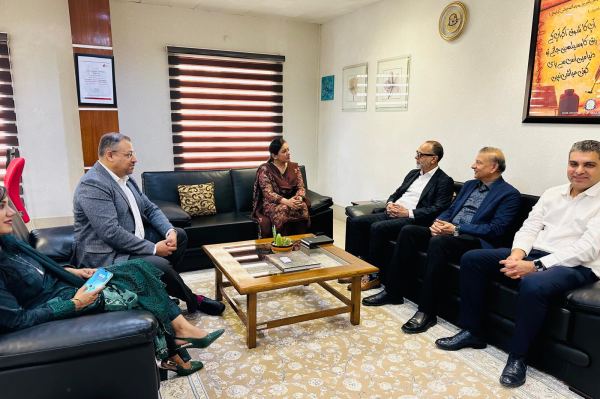
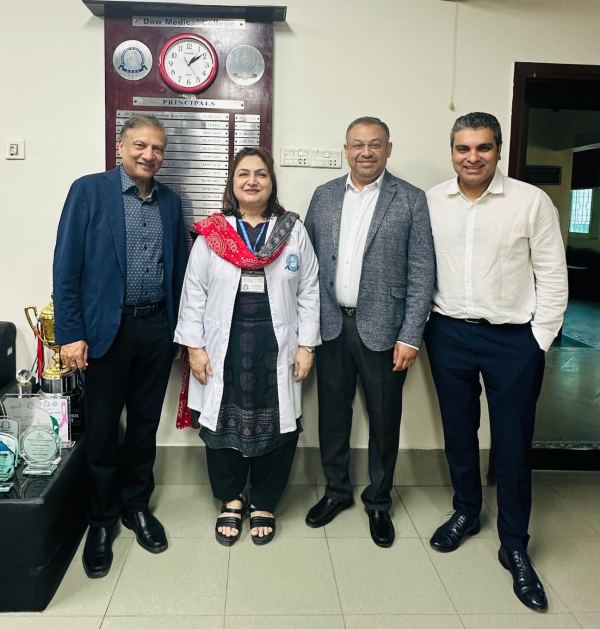
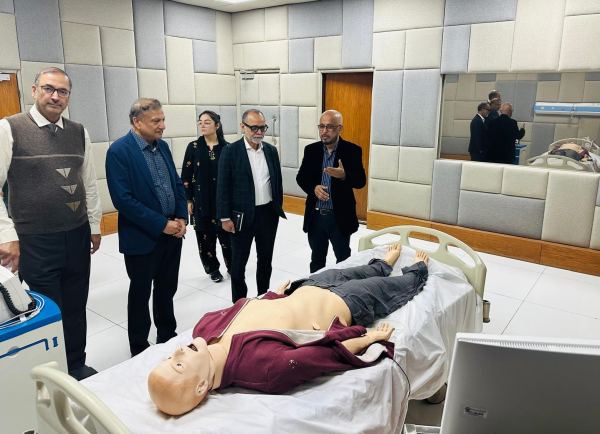
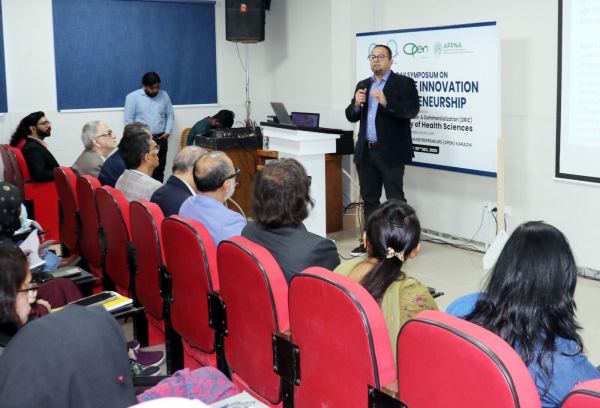
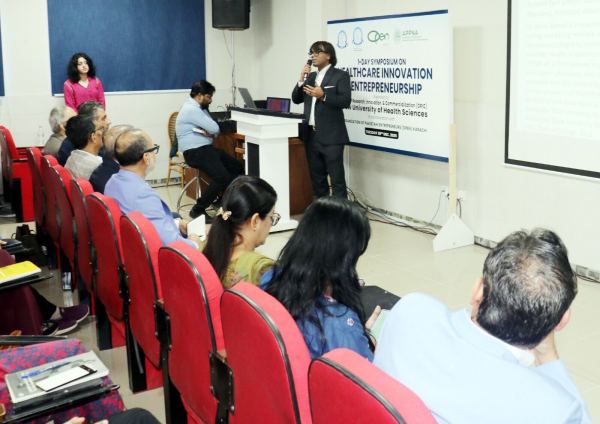
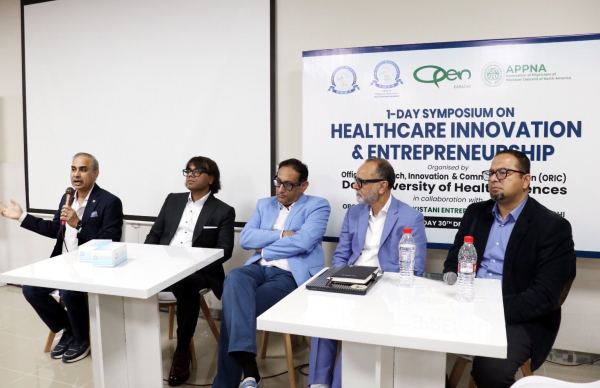
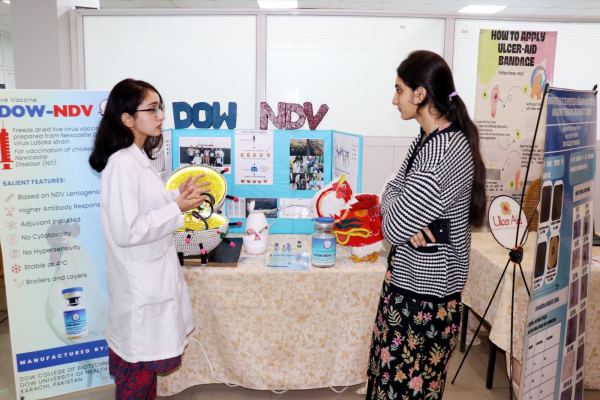
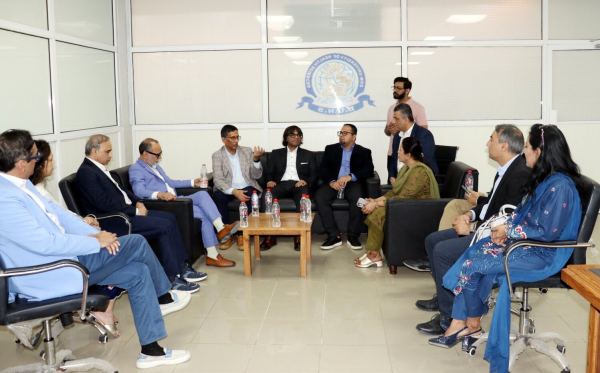
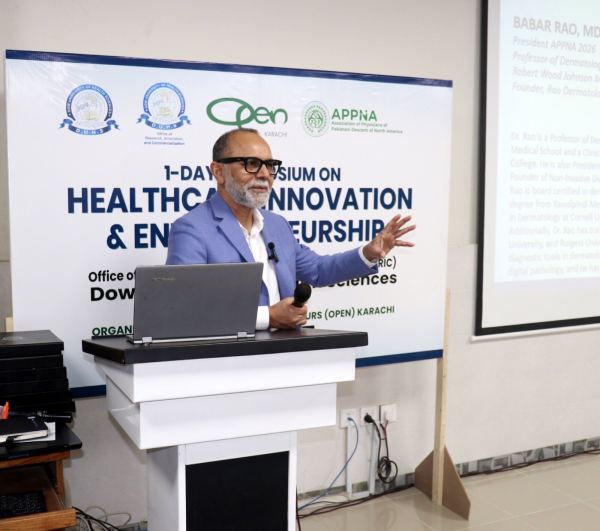
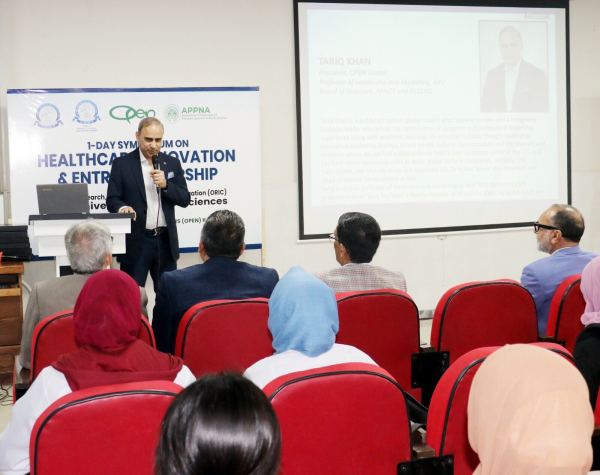
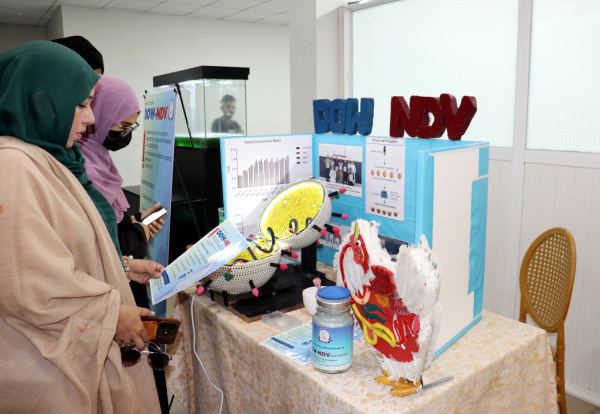
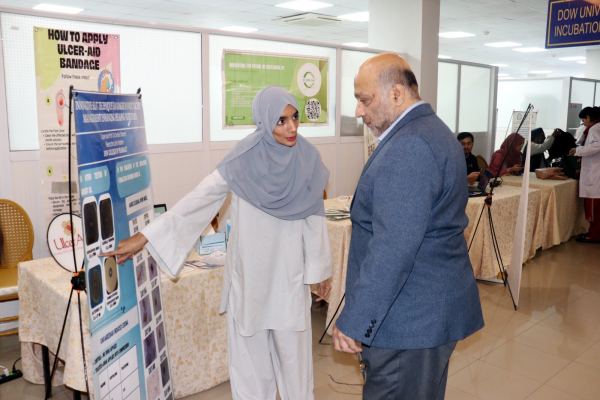
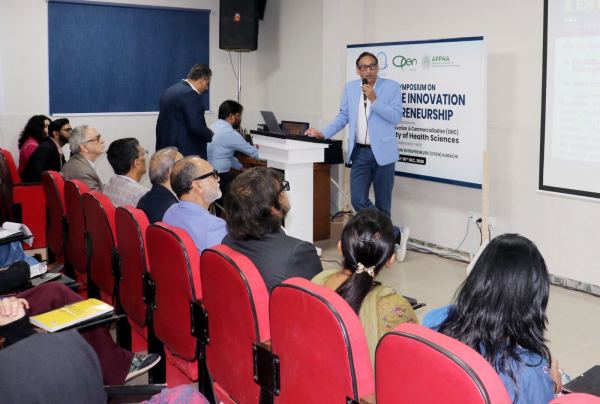
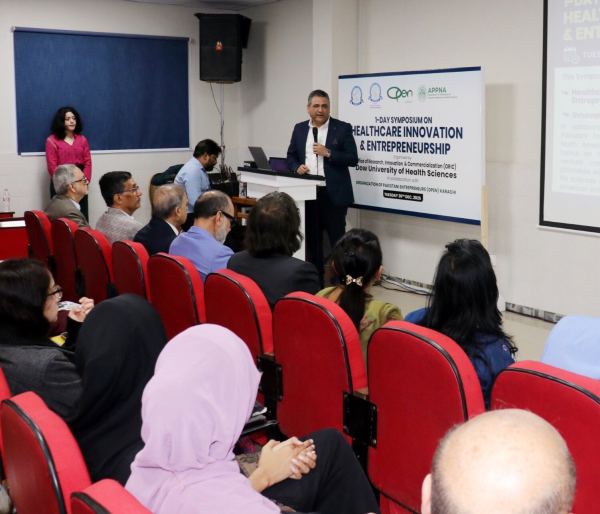
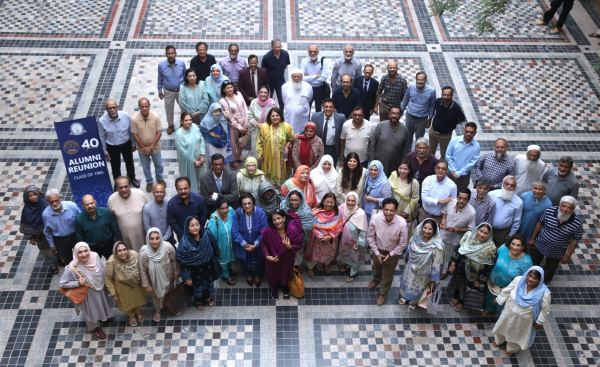
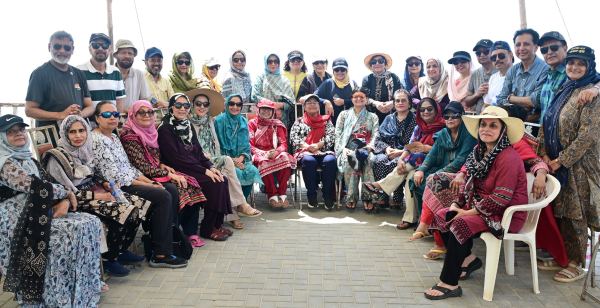
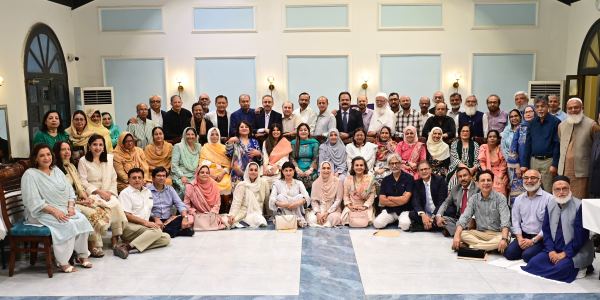
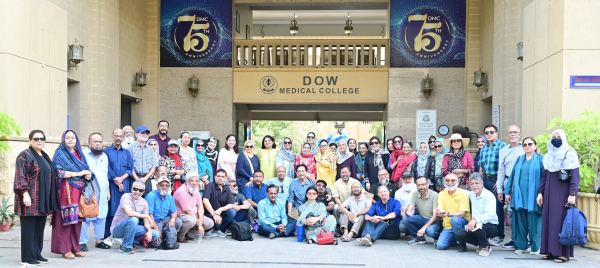
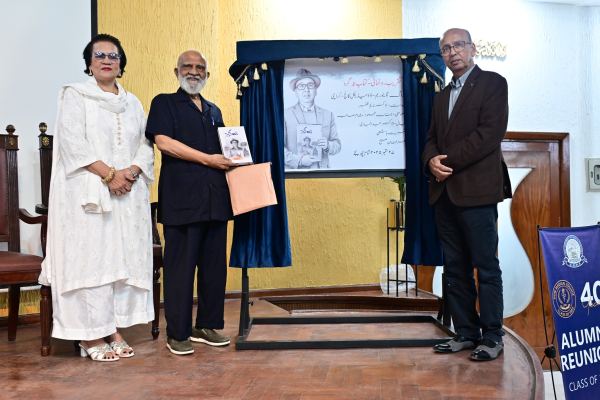
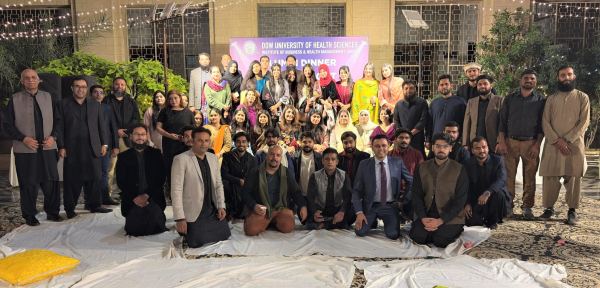
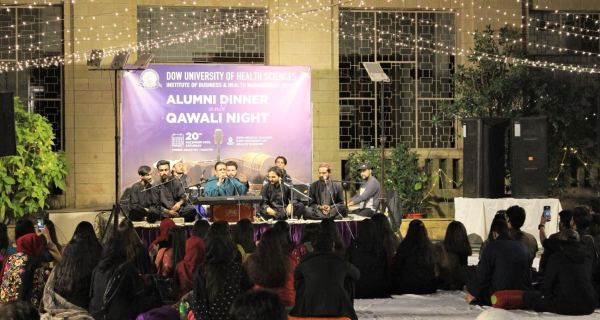
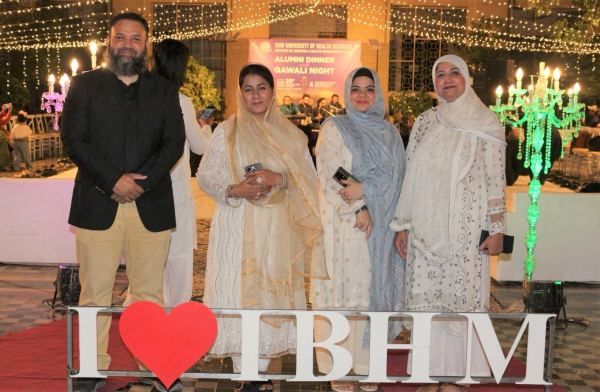
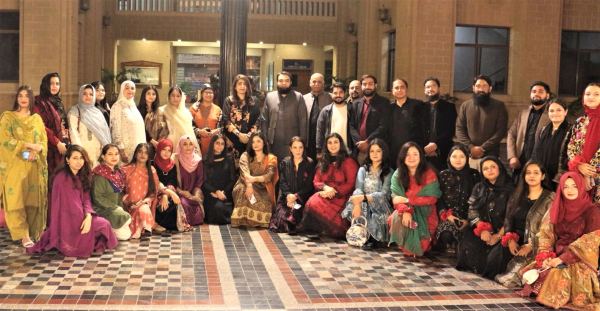
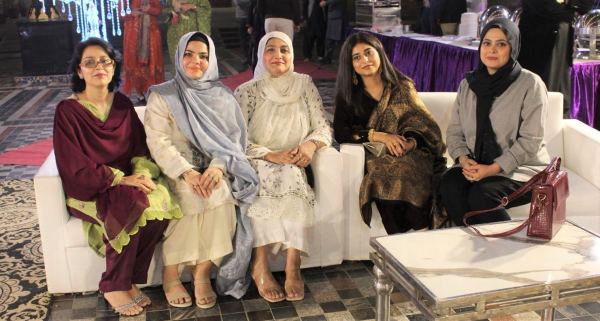
Dow University of Health Sciences (DUHS) takes pride in its strong and vibrant alumni community, spread across the globe. Through established Alumni Associations, DUHS graduates remain connected with their alma mater while contributing to academic, professional, and social development initiatives. These associations serve as platforms for networking, mentorship, knowledge exchange, and resource mobilization, ensuring that the bond between DUHS and its alumni remains lifelong.
Alumni, Marketing and Communications,
1st Floor old IBBPS Building, Ojha Campus,
Dow University of Health Sciences, Karachi, Pakistan
021-387711111 Ext 3478